Guides
Part of A sustainable material brand checklist: twenty things to verify first
Sustainable material brands, reviewed against real use
Cork, hemp, mycelium and recycled-content brands, judged on how their materials hold up in a real room and what the paperwork behind them proves.
What to take away
- Judge a sustainable material brand on the document it will send you, not on the story on its website.
- Cork, hemp, mycelium and recycled-content boards each fail in a different room, so match the material to the space.
- Ask every supplier for the same four documents so two quotes answer the same question.
- In pre-1978 housing, a certified renovation firm must give you a specific EPA pamphlet before work begins.
- Set a written cut-off at each sourcing stage, or the search runs until the contractor picks for you.
Sustainable material brands worth a look, and what each is for
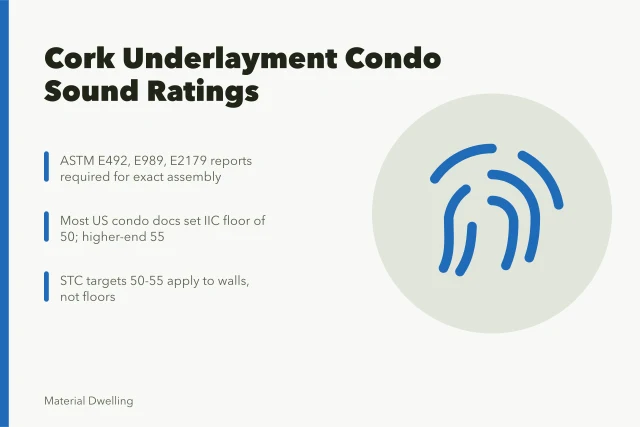
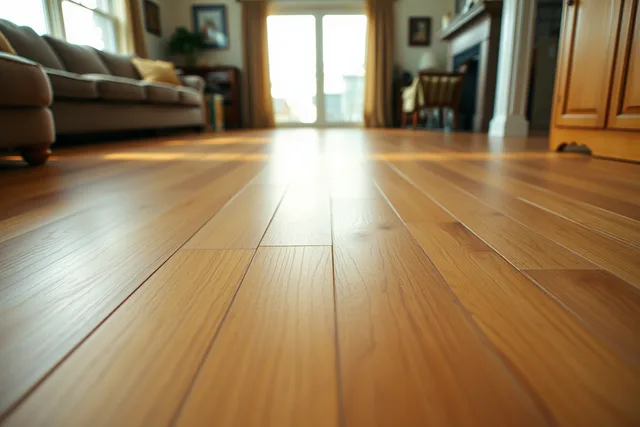
Amorim Cork Composites (Portugal) makes cork flooring, underlayment and insulation board from cork oak bark. Growers strip the bark on a nine-year cycle without felling the tree. It suits bedrooms, hallways and basements with dry slabs and moderate footfall. Cork plank typically runs $4 to $8 per square foot in most US markets. Bathrooms and laundries defeat it.
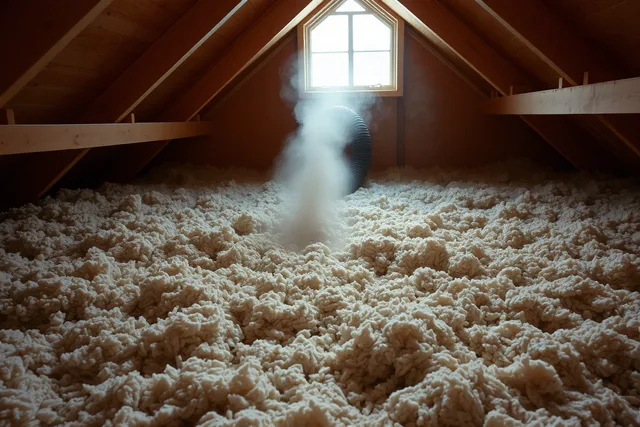
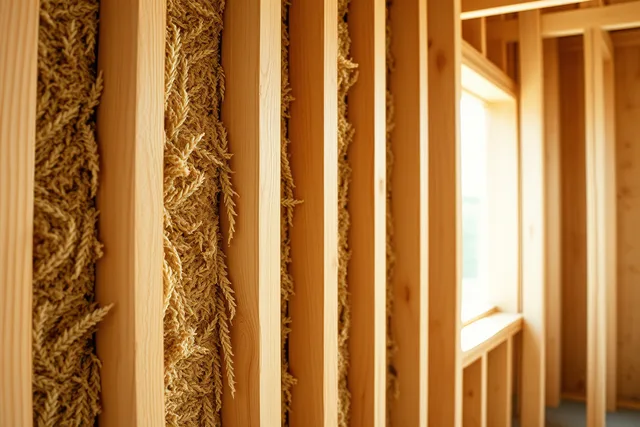
Hempitecture (Jerome, Idaho) makes HempWool, a batt and board insulation from hemp hurd and a polyester binder. It suits walls and roofs where you want a vapor-open assembly in a cold-dry or mixed climate.
Hemp batts typically cost more than fiberglass, often two to three times as much per R-value, so compare quotes by R-value. In a hot-humid climate the assembly has to be designed for it, which is a job for a designer, not a weekend.
Ecovative (Green Island, New York) grows mycelium composite under the AirMycelium name, sold into packaging and, through partners, into acoustic and interior panels. Mycelium suits acoustic tiles and non-structural panel work. It does not suit anything load-bearing, and no supplier should tell you otherwise.
Interface (Atlanta, Georgia) makes carpet tile with recycled nylon face fiber and a backing it takes back at end of life through its ReEntry program. It suits offices, rentals and basements where you want to replace one square at a time. Ask for the take-back terms in writing before you buy.
Biofiber and Panel Processing (Alpena, Michigan) distribute boards such as Durra, a wheat-straw panel, plus other agricultural-residue boards. These suit cabinetry, shelving and millwork where you want no added urea-formaldehyde.
Under TSCA Title VI, particleboard must test at or below 0.09 ppm and medium-density fiberboard at or below 0.11 ppm. Check which limit your board is certified to, because that is the number that matters.
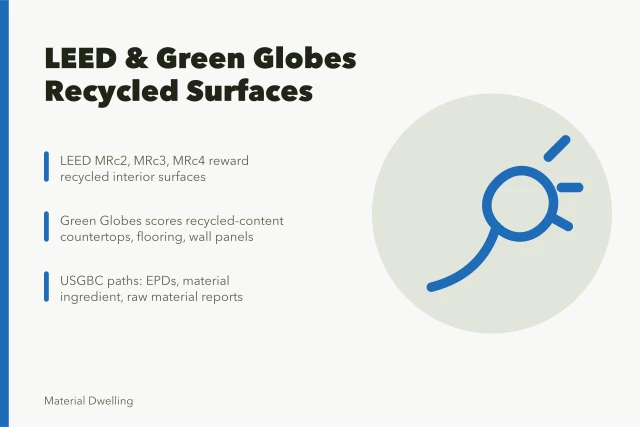
Tarkett (France) makes vinyl and linoleum flooring with recycled content and publishes third-party reviewed life-cycle documents. Its ReStart program takes flooring back at end of life. It suits kitchens, clinics and corridors where a sheet floor has to take abuse and be cleaned daily.
Shaw Industries (Dalton, Georgia) runs a carpet reclamation program and publishes environmental product declarations across its tile ranges. It suits high-traffic commercial and residential floors where you want a take-back route at replacement.
Each of these names appears in the wider comparison of sustainable material brands, which sets them against each other on the same criteria.
How to check a brand's claim
Ask for four documents and nothing else: the data sheet for the exact variant, the installation instructions, the care sheet, and the compliance or certification file. A supplier who sends all four in two days has told you more than any brochure.
That same request anchors the hiring questions for recycled interior surfaces, because an installer inherits whatever the supplier failed to send.
| Stage | Candidates | Effort per candidate |
|---|---|---|
| Longlist | Six brands | One email, no follow up |
| Shortlist | Three | Documents read, one technical question asked |
| Sampling | Two | Paid sample, real trial in the room |
| Quotation | Two | Same written scope, same units |
| Contract | One | Signed scope, units and the lead pamphlet clause |
Narrowing matters because sampling and quoting cost time. Doing them for six candidates guarantees they are done badly for all six. Set a written cut at each stage: no documents within a week means no shortlist, whatever the product looks like.
Where you want background reading while you wait, EPA maintains a catalog of publications about indoor air quality covering homes, sources and ventilation.
What you are owed before work starts
If your house was built before 1978 and you hire a renovation firm that disturbs painted surfaces, the firm must be certified and must give you EPA's lead pamphlet before work begins.
EPA hosts Protect Your Family from Lead in Your Home. It covers where lead is found, how exposure happens, and what to ask a contractor.
Receiving it is a small procedural moment that tells you the firm knows its obligations. Not receiving it is worth asking about directly.
Where a brand review goes wrong
A brand that performs in one room fails in the next. Cork in a wet room, hemp in an assembly designed for a different climate, mycelium asked to carry a load: each is a mismatch, not a bad product.
The year-two condition survey is the honest test. Walk the room, note the joints, the edges and the cleaning marks, and compare that against the care sheet the supplier sent.
A brand that survives year two with the care it specified is a brand you can specify again.
Run each candidate through the supplier checks in our twenty ways to check a material brand, and align the sequence with the project stages in the interior materials planning guide.
Common questions
How long should the first stage take?
A week. Longer than that and you are researching rather than sourcing.
Should I tell suppliers my budget?
Yes, as a range. It saves everyone time and produces relevant options rather than aspirational ones.
What if nobody answers the first email?
Consider it a result. Suppliers who do not respond before a sale respond less afterward.
Do I need the lead pamphlet if I am doing the work myself?
The requirement falls on certified firms. The information in it is worth reading regardless.