Rules
Part of Recycled interior surfaces: the five worth the extra installation effort
Questions to ask a fabricator or installer about recycled interior surfaces
What to ask a fabricator or installer working with recycled surfaces: dust control, material verification, tolerances and who owns a broken piece.
What to take away
- The dust control answer is the first filter. Wet cutting and extraction are standard practice, not an upgrade.
- Ask who owns breakage, because recycled and salvaged material cannot simply be reordered.
- Salvage needs an inspection step written into the contract before it is installed.
- Get tolerances in writing. Reclaimed material is not flat, square or consistent, and expectations differ.
Questions about dust and site controls
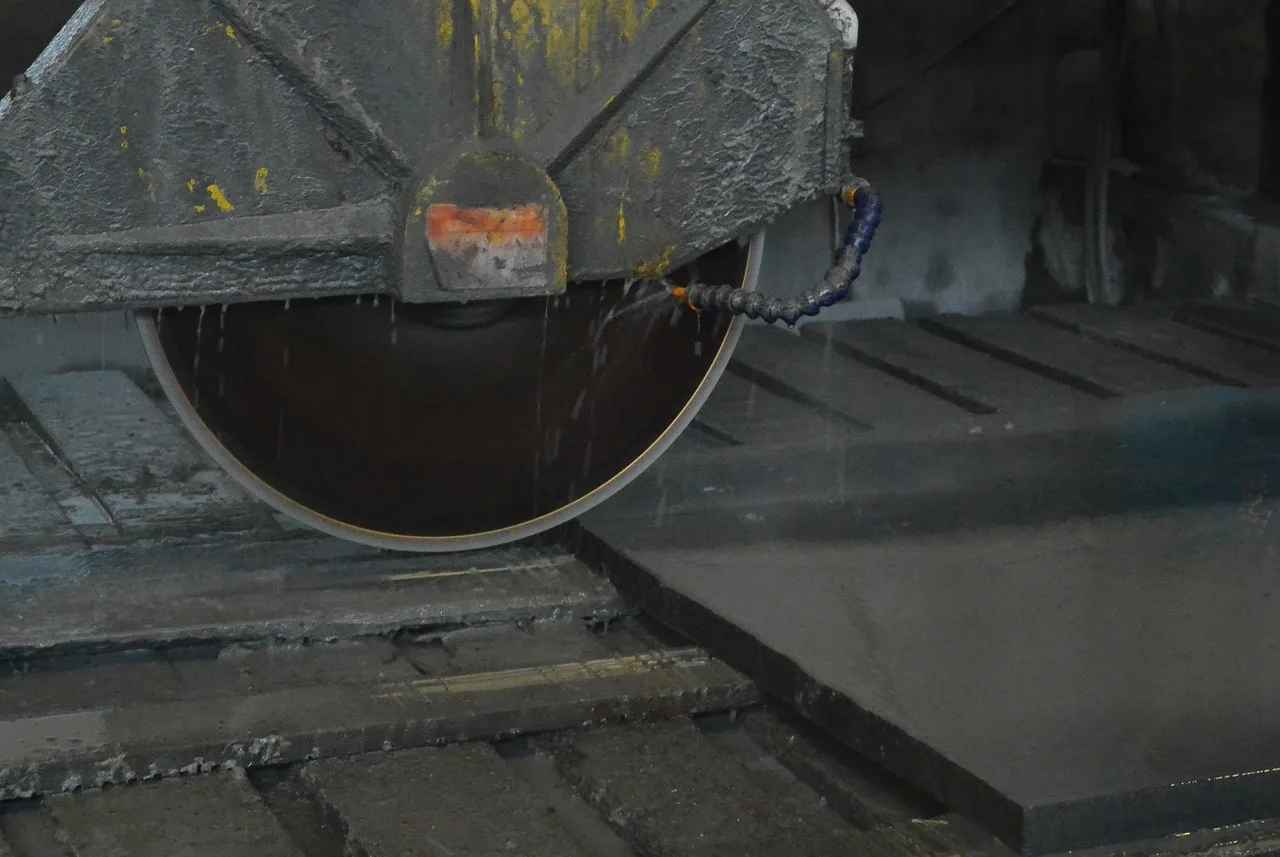
Start with fabrication. Ask where cutting will happen, what dust control is used, and whether any dry cutting is planned indoors. NIOSH sets out the practical controls for this work in its guidance on safe work practices around silica, which covers wet methods, local exhaust ventilation and the housekeeping that keeps settled dust from becoming airborne again.
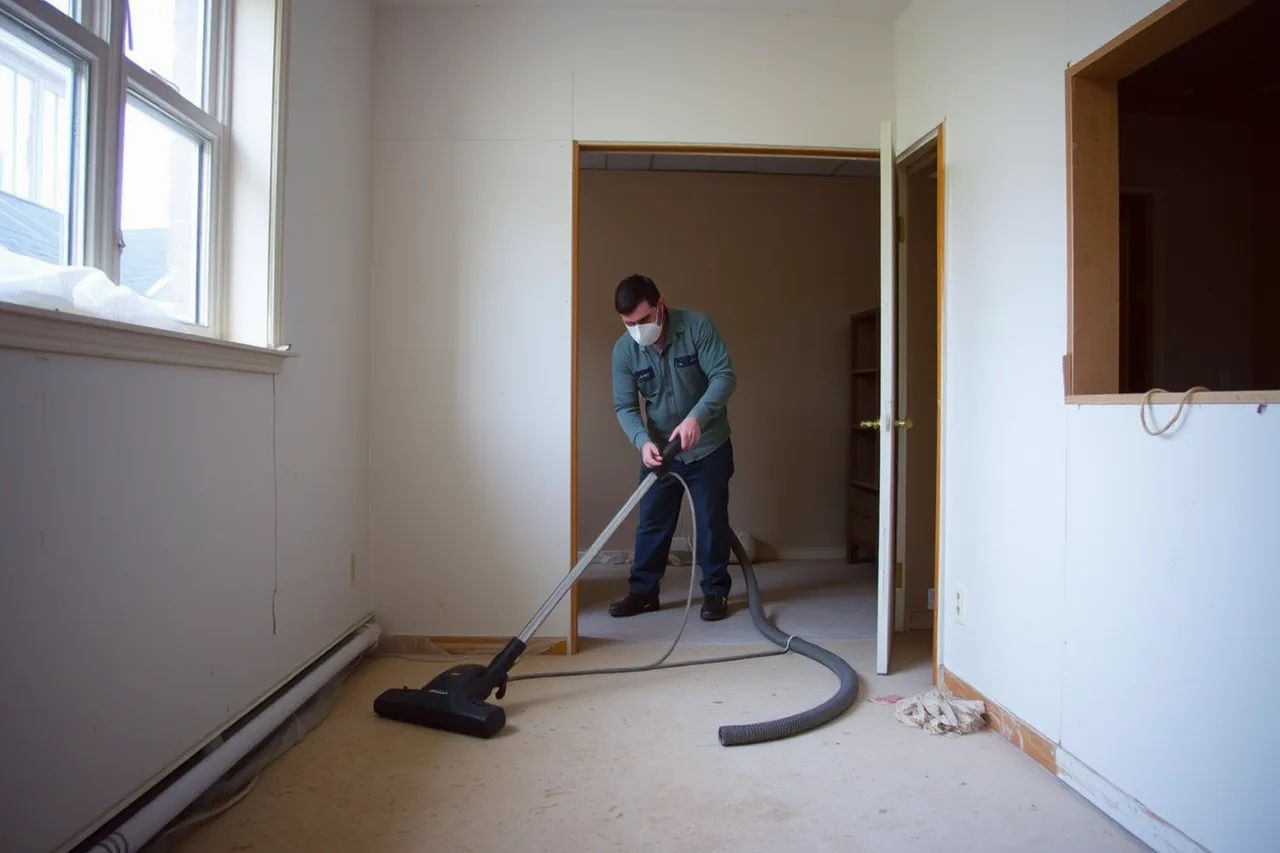
Follow with three site questions. How will the work area be separated from the rest of the house? Will HEPA vacuums be used rather than sweeping? Who cleans, and to what standard? A fabricator who answers these fluently has done the work properly before.
If the house predates 1978 and any painted surface will be disturbed to make room for the new material, the certification questions from ordinary renovation apply on top.
Questions about the material itself
- What is the recycled content percentage, and is it post-consumer or post-industrial?
- What document supports that figure?
- Where did the salvaged stock come from, and was painted material excluded or tested?
- What is the batch or lot, and can I buy surplus from the same batch now?
- What is the published tolerance for thickness, flatness and color variation?
- What is the sealer or finish, and who reapplies it?
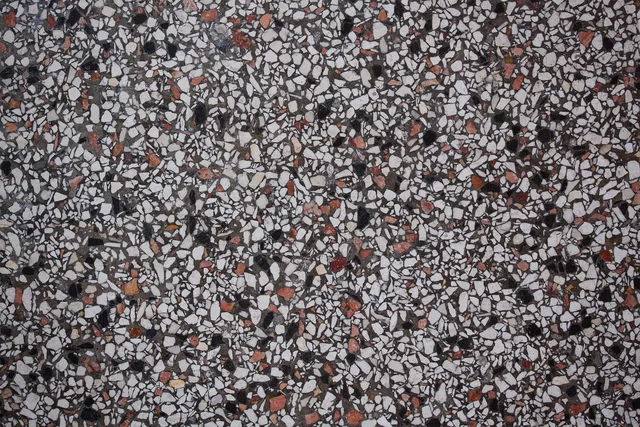
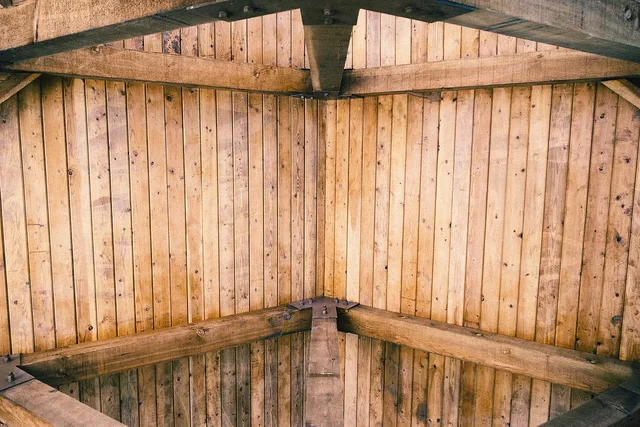
The tolerance question prevents the most common dispute. Reclaimed boards vary in thickness. Salvaged tile varies in size. Terrazzo varies in aggregate distribution. All of that is normal, and all of it becomes a complaint when nobody said so in advance.
For context on how recycled material streams are assessed at scale, EPA's collection of sustainable materials management tools shows the kind of accounting behind serious content claims, as distinct from a line on a brochure.
Questions about risk and responsibility
| Question | Why it matters | Get it in writing |
|---|---|---|
| Who pays if a piece breaks in fabrication? | Salvage cannot be reordered | Yes |
| Who inspects salvage on delivery? | Damage is found late otherwise | Yes |
| What happens if quantities fall short? | Mixed batches become visible | Yes |
| Who stores surplus, and where? | Surplus disappears between trades | Yes |
| What is the guarantee on the installation? | Separate from material warranty | Yes |
Breakage is the clause that matters most. With new manufactured tile the answer is trivial. With a partial pallet of hundred-year-old brick, a broken piece can stop the job.
Questions about the finish line
Ask what the surface will look like on day one versus year three, since many recycled surfaces change with use, and that is often desirable rather than a fault. Ask what maintenance is required in the first month while sealers cure. Ask who returns for the first-year check and whether that visit is priced.
Set expectations using the performance notes in our survey of recycled interior surfaces, and put the schedule assumptions from the realistic project timeline into the contract as dates rather than intentions.