Features
Recycled interior surfaces: the five worth the extra installation effort
Ten recycled-content interior surfaces, what each is actually made from, where it performs, and the specific question to ask a supplier before buying.
What to take away
- Recycled content is a claim about inputs. Ask what fraction, whether it is post-consumer, and who verified it.
- Construction and demolition debris is the biggest waste stream a household renovation touches.
- Glass terrazzo, reclaimed wood, metal ceiling panels, salvaged brick and recycled rubber repay the extra installation effort. The other five surfaces are worth knowing about and easy to misuse.
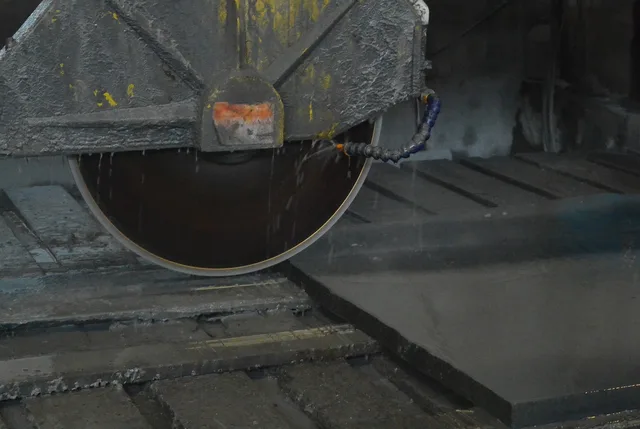
- Cutting and grinding recycled stone and concrete products creates silica dust, which is a real occupational hazard.
Why the input stream matters
Household renovation sits inside a very large waste flow. EPA's material-specific data on construction and demolition debris estimates 600 million tons were generated in the United States in 2018, more than twice municipal solid waste.
US C&D debris, 2018
- 600 million tonsC&D debris generated in the US, 2018
- 2xMore than twice municipal solid waste
Buying surfaces made from diverted material and specifying surfaces that can themselves be diverted are two halves of the same decision. Ask three questions of any recycled-content claim: what percentage, post-consumer or post-industrial, and what document supports it. Post-industrial content is often factory offcuts that would have been reused anyway.
Ten surfaces, and the makers to ask for
| Surface | Named product or supplier | Made from | Best used for |
|---|---|---|---|
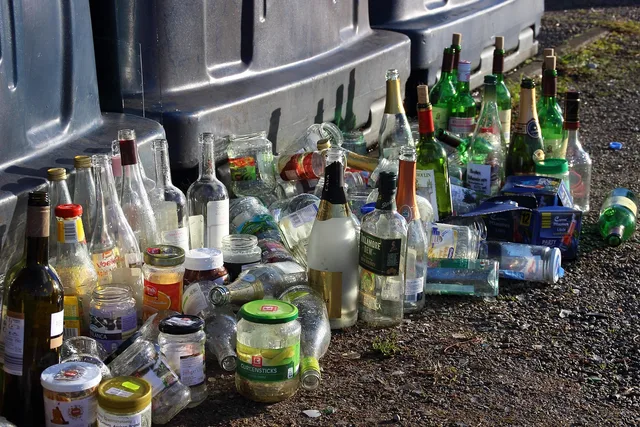
| Recycled glass terrazzo | Vetrazzo (Tate, Georgia), IceStone (Brooklyn, New York) | Crushed post-consumer glass in cement or resin | Floors, counters, high traffic |
| Paper composite panel | PaperStone (Hoquiam, Washington), Richlite (Tacoma, Washington) | Compressed recycled paper and phenolic resin | Counters, vanities, shelving |
| Recycled-content gypsum board | USG Sheetrock Brand EcoRock, National Gypsum Gold Bond | Recycled paper facing, reclaimed or synthetic gypsum | Walls and ceilings |
| Reclaimed solid wood | Pioneer Millworks (Farmington, New York), Longleaf Lumber (Cambridge, Massachusetts) | Salvaged joists, decking, flooring | Floors, feature walls, shelving |
| Concrete with supplementary cement materials | Holcim ECOPact, CarbonCure-treated mixes | Industrial by-products and injected carbon dioxide in the mix | Floors, counters, hearths |
| Recycled metal ceiling and wall panels | Armstrong Ceilings MetalWorks | Post-consumer steel and aluminum | Ceilings, splashbacks |
| Pressed felt acoustic panels | Woven Image EchoPanel, Baux | Recycled PET bottle fiber | Acoustic treatment, wall panels |
| Recycled rubber flooring | Ecore ECOsurfaces, Regupol America | Reclaimed tire and industrial rubber | Utility rooms, gyms, workshops |
| Salvaged tile and brick | Historical Bricks (Iowa City), Reclaimed Brick Company (Fort Worth) | Deconstructed buildings | Feature walls, hearths, patios |
| Reclaimed cast iron and hardware | Olde Good Things, Second Use (Seattle) | Deconstructed buildings | Radiators, grates, ironmongery |
Concrete deserves a note. Industrial by-products have long been used in cement and concrete mixes, and EPA maintains guidance on the beneficial reuse of coal combustion residuals, including their encapsulated use in concrete products. That is an established practice with its own regulatory framework rather than a marketing angle.
The five that reward the effort
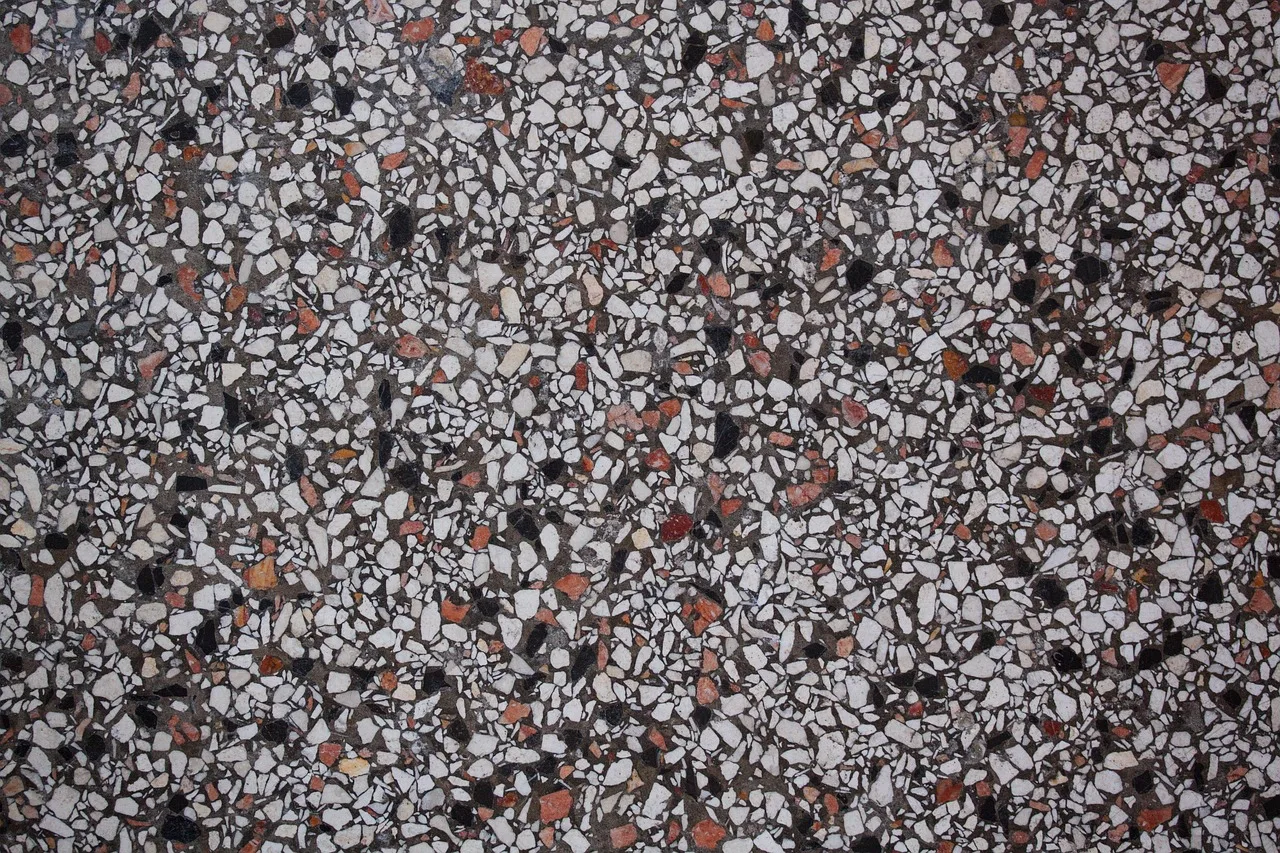
Vetrazzo pours slabs in Tate, Georgia, and IceStone pours in Brooklyn, New York. Both bind crushed post-consumer glass in a cement or resin matrix. Glass terrazzo typically costs $75 to $150 per square foot installed. Slab thickness, edge profile and on-site templating drive the range.
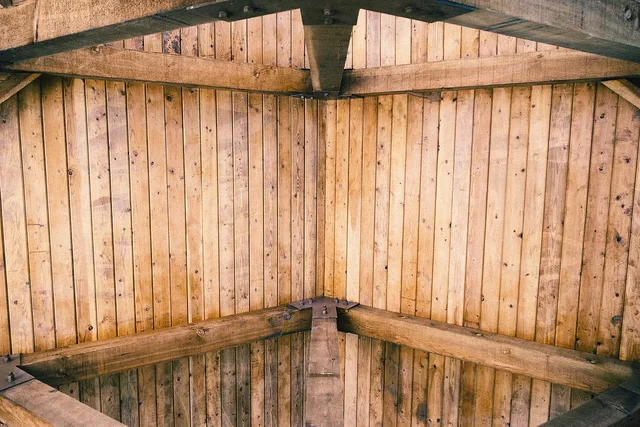
Pioneer Millworks in Farmington, New York, and Longleaf Lumber in Cambridge, Massachusetts, mill flooring from salvaged barns, mills and factories. Reclaimed flooring typically costs $8 to $20 per square foot for material alone. Stock is graded by species and by how much original surface survives.
Armstrong Ceilings makes MetalWorks panels with recycled steel content and runs a take-back program for old ceiling panels. Metal ceilings typically cost $3 to $10 per square foot installed, before lighting and grid changes.
Historical Bricks in Iowa City and Reclaimed Brick Company in Fort Worth sell brick pulled from demolished buildings. Reclaimed brick typically runs $1 to $3 per brick, above new production prices in most markets. A mason must clean and sort it before setting.
Ecore International in Lancaster, Pennsylvania, makes ECOsurfaces roll flooring from reclaimed tire rubber, and Regupol America sells a similar line. Rubber flooring typically costs $5 to $12 per square foot installed, depending on thickness and whether the seams are heat welded.
The five share three traits: a long service life, tolerance of the conditions they usually meet, and a repair path that does not need the original batch.
Reclaimed wood carries one caution that overrides its appeal. Salvage from a building painted before 1978 can carry lead paint, and machining it releases dust. Ask where the stock came from and whether painted material was excluded or tested.
The five that need care
PaperStone and Richlite both need regular oiling, so neither is a set-and-forget counter. Recycled-content gypsum board does its job behind paint and rarely decides a wall assembly.
Pressed felt panels from Woven Image and Baux are soft and porous. That matters in smoke season and in kitchens, where grease and odors collect.
Cast iron salvage is heavy and needs structural checking. Olde Good Things and Second Use sell radiators and grates pulled from demolished buildings.
Concrete counters and floors crack. That is a characteristic, not a defect, and buyers who dislike it should not buy it.
For very small rooms, the format matters more than the material, which is covered in small-space uses that actually work. Before commissioning any of these, run through the questions a fabricator should be able to answer.
Common questions
Is recycled content the same as recyclable?
Does recycled always mean lower emissions?
Is reclaimed wood structurally sound?
Who should cut engineered stone and concrete?
In this guide
- Recycled interior surfaces ideas for small roomsRecycled interior surfaces ideas for small rooms, with named glass, paper-composite, metal, and rubber options plus checks for fit, upkeep, and indoor air.
- What do homeowners wish they knew before choosing recycled interior surfaces?The regrets that follow recycled-content surfaces: unmatched repairs, silica dust during fabrication, maintenance nobody mentioned, and vague content claims.
- Recycled interior surfaces timeline: sequence, not datesA recycled interior surfaces timeline is a sequence, not a calendar: sourcing, templating, fabrication, installation and cure, plus what each phase waits on.
- Questions to ask a fabricator or installer about recycled interior surfacesWhat to ask a fabricator or installer working with recycled surfaces: dust control, material verification, tolerances and who owns a broken piece.
- Recycled interior surface upgrades worth paying for, and which to skipWhich recycled-surface upgrades pay off in daily use rather than on paper, ranked by how often you touch them and how well they survive ordinary abuse.