
Maintenance
Part of Recycled interior surfaces: the five worth the extra installation effort
What do homeowners wish they knew before choosing recycled interior surfaces?
The regrets that follow recycled-content surfaces: unmatched repairs, silica dust during fabrication, maintenance nobody mentioned, and vague content claims.
What to take away
- The most common regret is a repair that cannot be matched, because the batch no longer exists.
- The most serious one is dust, since cutting engineered stone and concrete releases respirable silica.
- Maintenance surprises come from composites, not from the mineral surfaces people worry about.
- Vague recycled-content claims are the easiest problem to avoid and the most frequently ignored.
Regret one: the repair that will not match
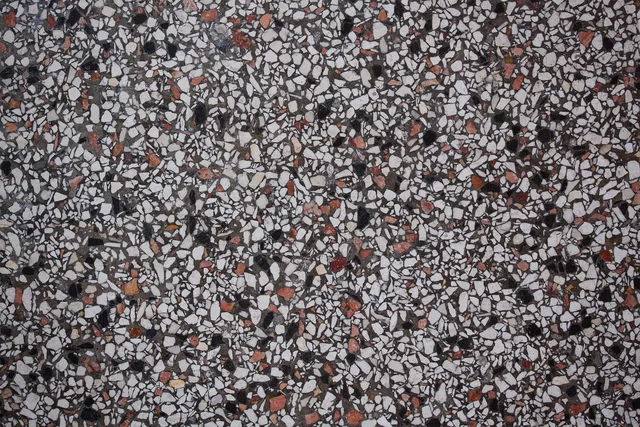
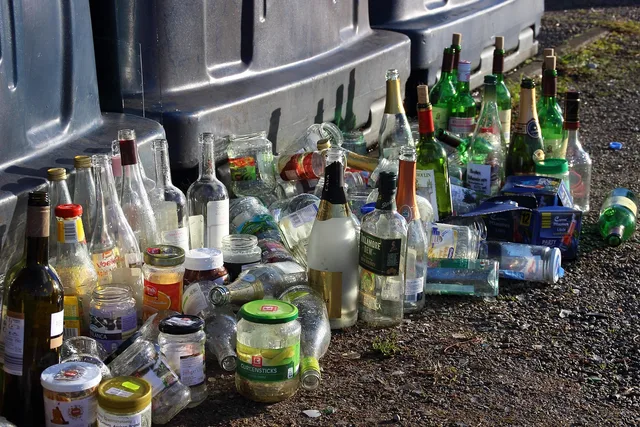
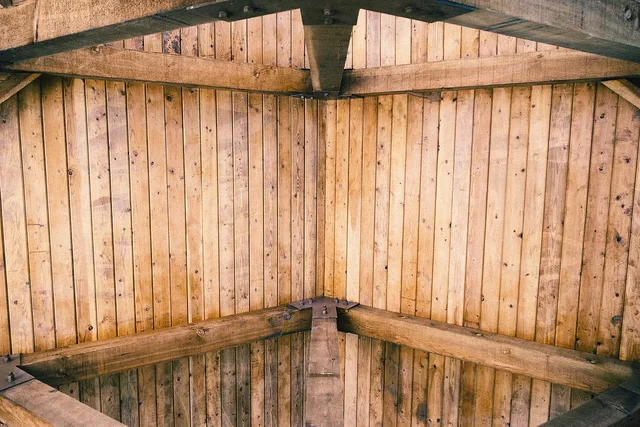
Recycled surfaces vary by production run in a way that new mineral products do not. Glass terrazzo depends on the glass stream feeding it. Reclaimed wood depends on the building it came from. Salvaged tile depends on a specific demolition.
The result is that a cracked tile or a burned counter section becomes a visible patch. The fix is bought at the start: order surplus, keep it dry and labeled, and photograph the layout so a replacement piece can be placed where it matters least. Homeowners who skipped this step describe it as the thing they would change.
Regret two: dust nobody warned them about
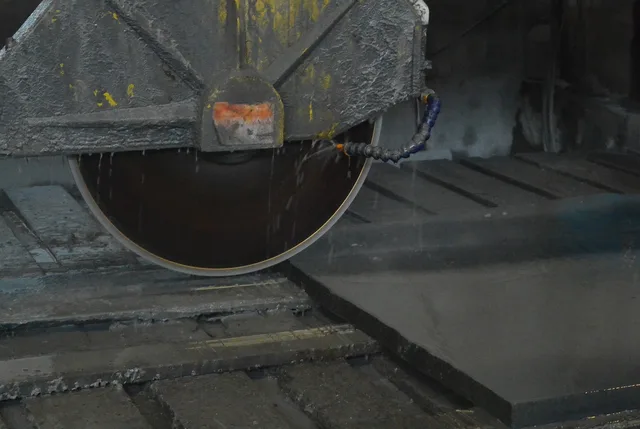
Engineered stone, concrete, terrazzo and some composite panels contain crystalline silica. NIOSH is direct about the mechanism: work such as cutting, grinding, polishing and drilling generates respirable dust that can be inhaled deep into the lungs, and silicosis is caused by that exposure.

That has three practical consequences. Fabrication should happen off site wherever possible, and on-site cutting should be wet or shrouded with vacuum extraction, never dry cutting in an enclosed room.
This is genuinely not a do-it-yourself job with a dry angle grinder in a garage. If a fabricator cannot describe their dust controls, that is the answer to your question.
Regret three: maintenance that was never mentioned
| Surface | Unexpected upkeep | How often |
|---|---|---|
| Paper composite counter | Oiling to keep the surface even | Every few months at first |
| Concrete counter | Resealing, and accepting hairline cracks | Annually |
| Reclaimed wood floor | Filling old nail holes that reopen | Occasionally |
| Recycled rubber floor | Compatible cleaners only, no solvents | Every clean |
| Felt acoustic panel | Vacuuming and odor absorption in kitchens | Regularly |
None of this is difficult. It is only a regret when it was not disclosed, so ask for the care sheet before ordering and read the section on what voids the warranty.
Regret four: the content claim that meant nothing
"Made with recycled materials" is not a specification. Ask for a percentage, whether it is post-consumer or post-industrial, and what evidence supports it. EPA's page of frequently asked questions about recycling is a useful primer on how loosely these terms circulate in the wider market.
The related regret is at the other end of life. A resin-bound composite may contain recycled input and still be unrecyclable itself. If the end of life matters to you, ask about it before purchase, because no supplier volunteers that answer.
Regret five: buying for the story
Some recycled surfaces are chosen for what they represent rather than what they do. A felt panel in a cooking area, a paper composite counter next to a stovetop, or reclaimed softwood in a hallway with dogs will disappoint regardless of provenance.
Test the shortlist against the room, using the samples approach and the performance notes in our survey of recycled interior surfaces. In apartments and tight rooms, the format constraints in small-space options that work rule out several candidates before performance even enters the conversation.