Industry
Part of Which sustainable home renovation style is worth studying before you start?
Repair, reuse, sequence: five lessons for home materials
Five lessons on repairing, reusing and sequencing home materials, from inspection to honest scope — plus sustainable home projects case studies to read next.
What to take away
- Projects that aged well kept more of the original building than the owners initially planned to keep.
- Hidden conditions are found by looking, and the cost of looking is trivial next to the cost of not.
- Sequencing errors are permanent in a way that specification errors are not.
- The projects with good records are the ones still easy to maintain a decade later.
Lesson one: repair more than you expected to
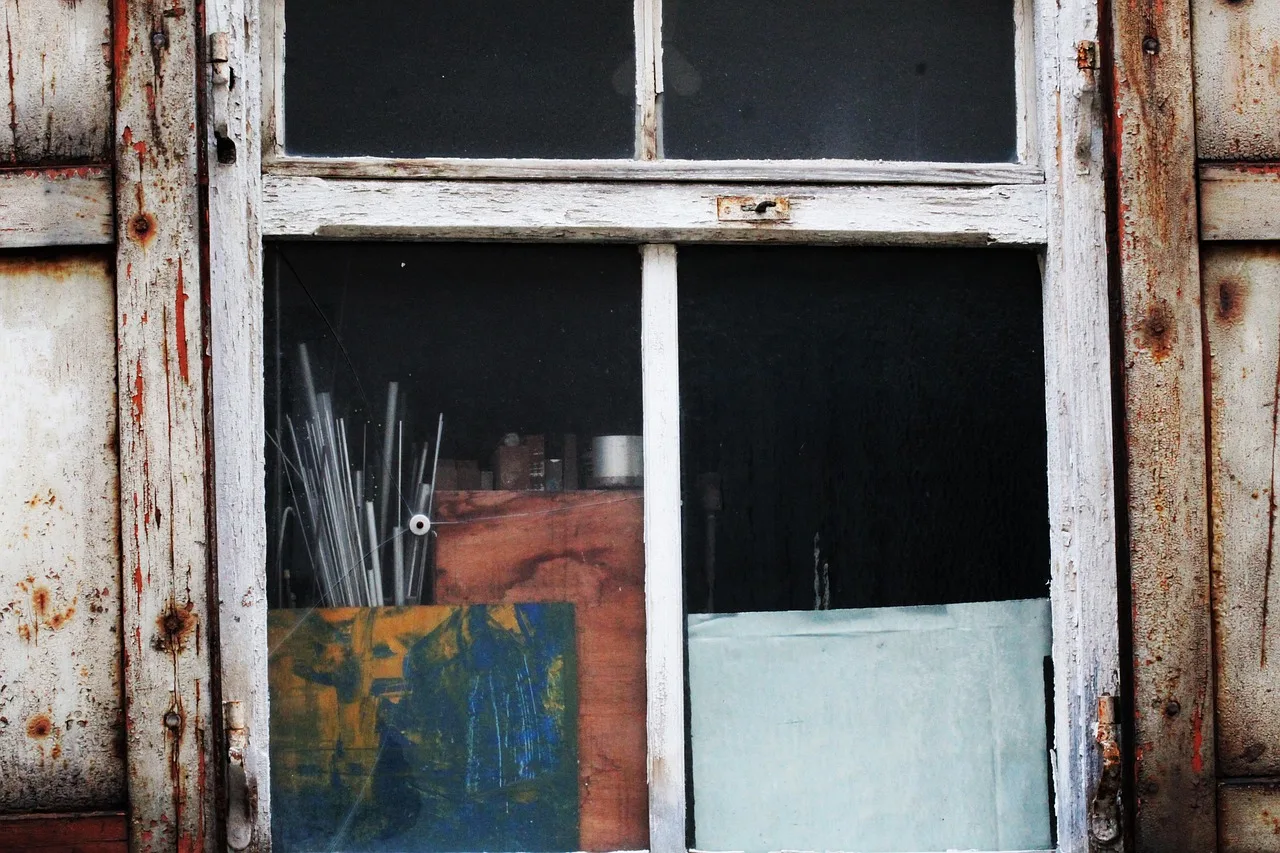
Owners who set out to replace an element and ended up repairing it almost never regret it. Solid timber, plaster, brick and old joinery are frequently better than their replacements, and repairing them costs less than the estimate implies once disposal is counted. Keeping them is also the lower-carbon choice: the material is already in the building, so its embodied carbon is not thrown away and the emissions and waste of new production are avoided. Repairing old joinery sidesteps the disposal fees that make new material selection mistakes so expensive.
When replacement is the right answer, judge the new material on durability first, health second and carbon third. In practice that means surfaces that can be refinished rather than replaced, insulation that holds its performance if it gets wet, and finishes, sealants and adhesives with low VOC emissions. Third-party labels do part of the checking for you: FSC certification for timber and wood products, and GREENGUARD or Green Seal certification for low-emitting finishes.
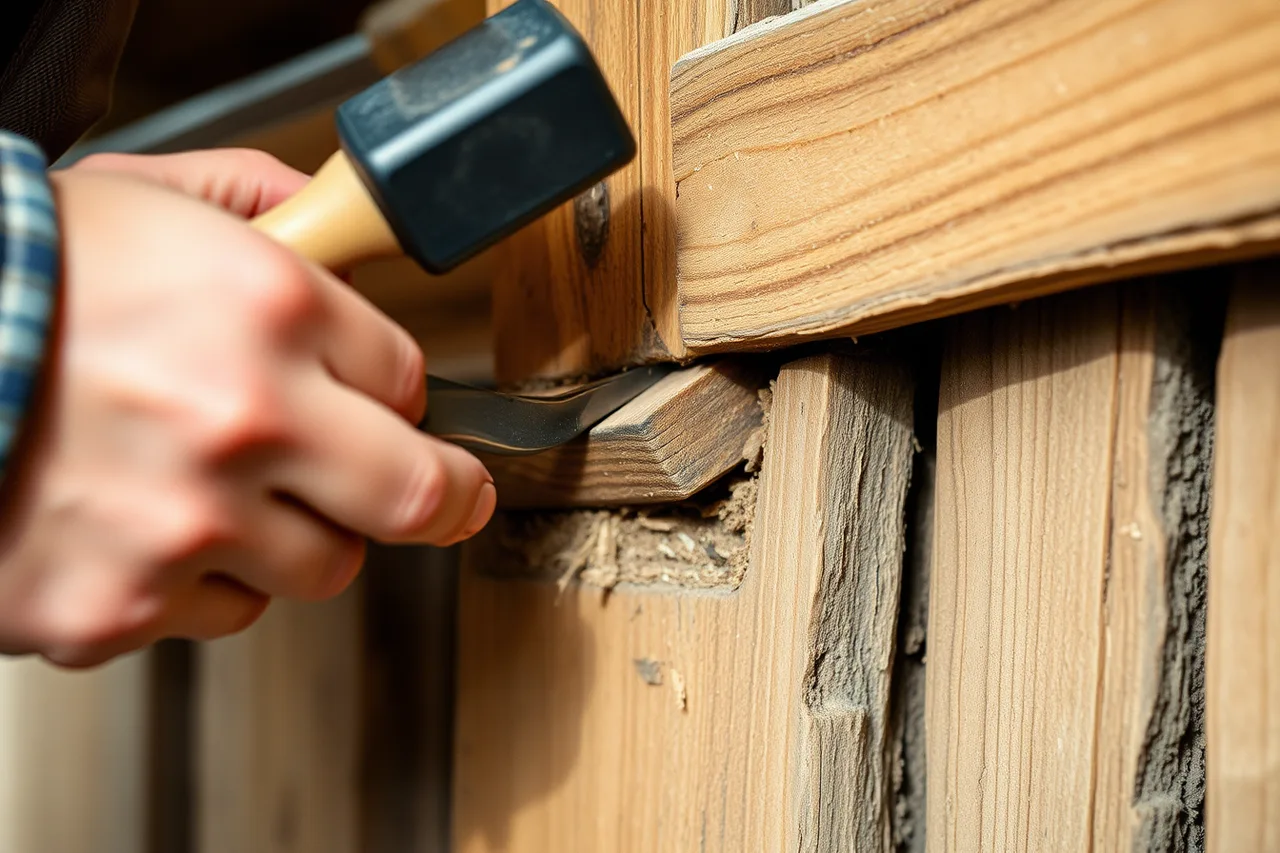
Traditional building practice is built around this. The National Park Service brief on repairing historic log buildings works through assessment, moisture management and piece-by-piece repair rather than wholesale replacement, and the same logic scales down to a rotten sill or a damaged floorboard.
The counterpoint matters too. Some elements are past repair, and sentiment about a failing component costs more than replacing it would have.
Lesson two: look before you commit
The cheapest hour in any project is the one spent opening an inspection hole. Lift a floorboard, cut an access panel, look in the crawl space, check the rim joist.
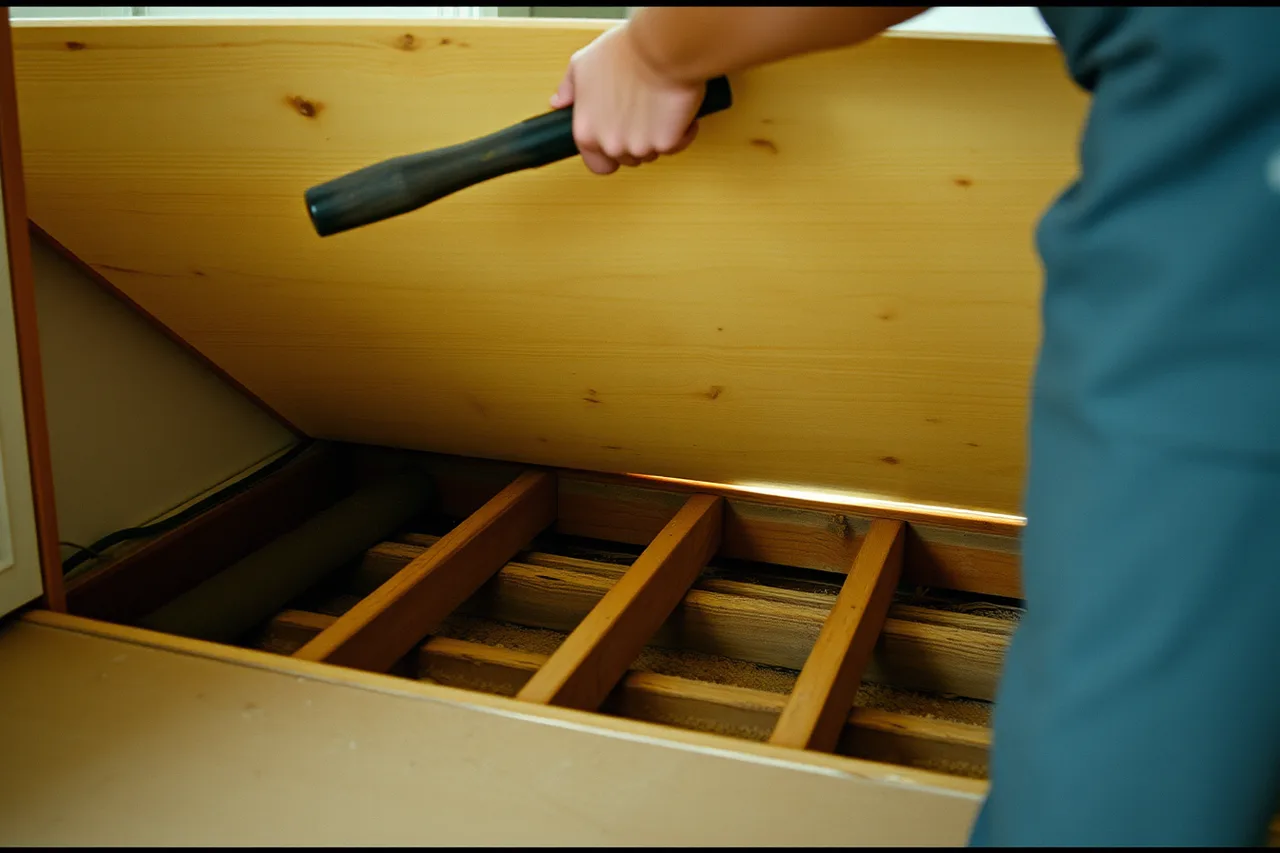
That is doubly true where hazards are possible. Test suspect material; do not assume. EPA's summary of its actions to protect the public from asbestos exposure shows how seriously policy treats this material. In the US, renovation and demolition work that may disturb asbestos is covered by the EPA's Asbestos NESHAP, and worker protection by OSHA's construction asbestos standard, with many states adding their own notification and accreditation rules, so confirm the local requirements before work starts.
The homeowner rule is unchanged: do not disturb suspect material, have it tested by an accredited laboratory or inspector, and if the result is positive use a contractor licensed or accredited for asbestos abatement in your state.
Lesson three: sequence is unforgiving
| Out of order | Consequence |
|---|---|
| Insulating before air sealing | The cheap fix is buried under the expensive one |
| Finishing before testing | Retesting means undoing finished work |
| Flooring before cabinetry | Height and access problems at the toe kick |
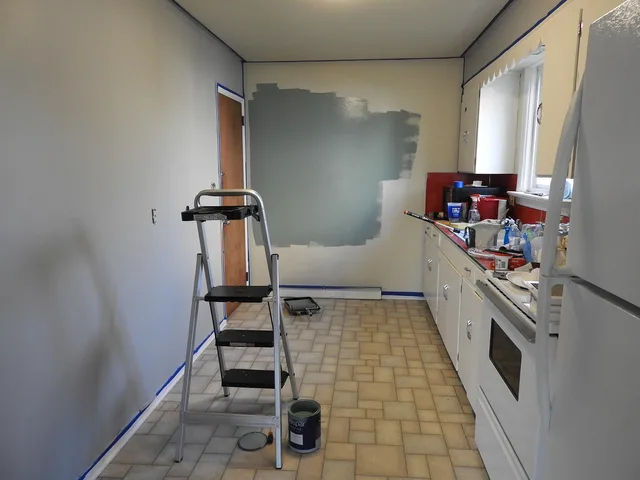
| Painting before dusty trades finish | The finish is ruined and repainted |
| Covering before photographing | No record of what is behind the wall |
Specification errors can often be corrected later. Sequencing errors usually cannot, because correcting them means undoing completed work.
Lesson four: the record is the asset
Projects that are easy to maintain ten years on share one feature: somebody kept a folder. Product names, batch numbers, photographs before covering, test results, care sheets, contractor details. A seasonal routine of upkeep keeps those records useful long after the work ends.
That folder is what makes a repair match, a warranty claim succeed and a future buyer confident. It costs a few minutes per week during the work and is impossible to reconstruct afterward.
Lesson five: scope honestly
The projects that went badly were frequently the ones scoped to a budget rather than to the building. A house needing envelope work, a new bathroom and a rewire does not become a smaller project because the budget is smaller. It becomes a phased project, or an incomplete one.
Phasing works when the phases are designed together. It fails when each phase is designed as though it were the whole job. The error patterns behind this, and the project types that repay study, are covered in separate companion guides, including our review of sustainable home projects worth studying closely.