Features
Part of Recycled interior surfaces: the five worth the extra installation effort
Recycled interior surfaces timeline: sequence, not dates
A recycled interior surfaces timeline is a sequence, not a calendar: sourcing, templating, fabrication, installation and cure, plus what each phase waits on.
A recycled interior surfaces timeline has no standard length, because the phases that decide it are set by people outside the project: the salvage market, the manufacturer, the fabrication shop and the chemistry of the cure. This guide names what drives each phase, what each one waits on, and the question that gets you a dated answer from the trade responsible.
What to take away
- Sourcing is the long pole. For a recycled interior surfaces timeline, salvage arrives when it arrives, which is not a schedule you control.
- Templating cannot start until the substrate and cabinetry are final, which pushes fabrication late.
- Cure times for cementitious surfaces are fixed by chemistry and cannot be compressed.
- Build the schedule backward from the day the room must be usable, not forward from the order date.
The four phases and what actually drives them
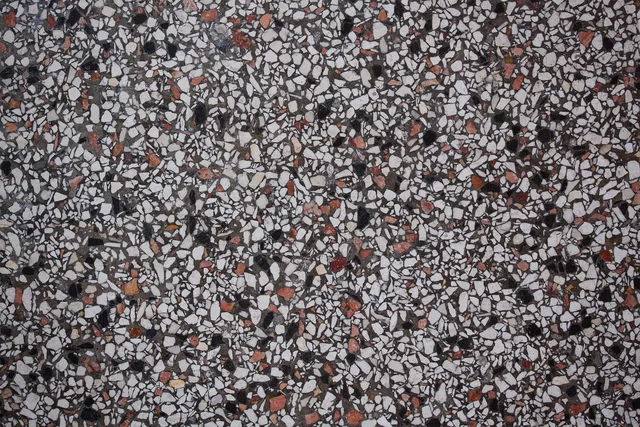
Sourcing. New recycled-content products have normal lead times. That group includes paper-composite counters and panels, recycled-glass slabs and terrazzo with recycled-glass aggregate, and recycled-content ceramic tile. Paper-composite surfaces are sold under names such as PaperStone and Richlite, recycled-glass surfaces under names such as IceStone and Vetrazzo. Each is made to order or held in stock by its maker, so the lead time is a question you can ask and get a date for. Salvage does not work that way: it depends on what is being deconstructed near you. Reclaimed brick, tile, timber and ironwork can take weeks or months to accumulate in the quantity a room needs. Those are reclaimed salvage materials, distinct from new recycled-content products.
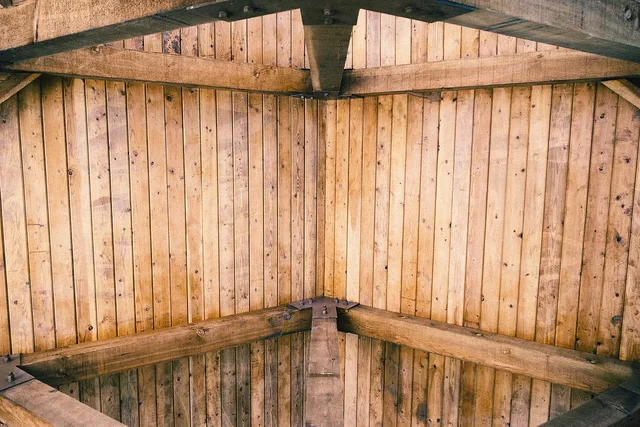
Check local architectural salvage yards and Habitat for Humanity ReStores; also ask deconstruction contractors whether they sell or refer recovered materials. Ask about quantity and matching pieces before designing around a find. One named example is Black Dog Salvage in Roanoke, which finds, acquires, and eventually sells valuable construction salvage, including pieces described as abandoned or soon to be destroyed.
Four phases of a recycled surface
- Sourcingweeks to months for salvage
- Templating and fabricationshop queue dependent
- Installationusually the shortest phase
- Cure and finishsealers need time on top
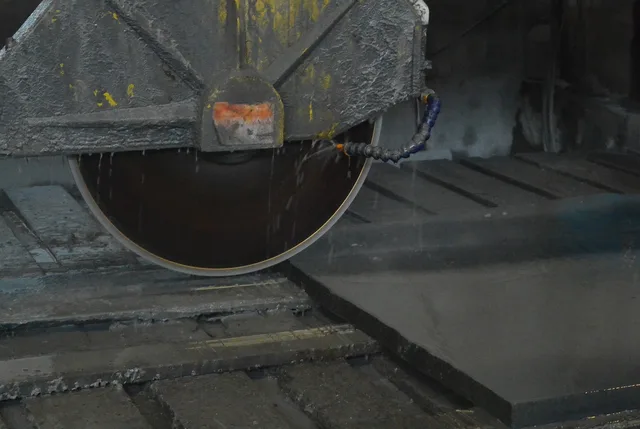
Templating and fabrication. Counters and any fitted panel are templated after the substrate and cabinets are set. Fabrication then takes as long as the shop's queue, which lengthens sharply in the busy season. Ask the fabricator for its current queue and a dated handoff estimate; use that project-specific estimate rather than assuming a standard duration.
Installation. Usually the shortest phase, and the one homeowners fixate on. Ask the installer for the installation duration and available start date for this project; neither is a dependable universal allowance.
Cure and finish. Cementitious terrazzo, concrete and grout need time. Sealers need time on top of that. Ask for the installer's stated cure and sealing schedule before setting the room's return-to-use date. Prefabricated slabs such as paper composite or recycled glass arrive cured and need only their edge and sealer work on site; poured or troweled surfaces cure in place, so they add the longest fixed wait to the end of the job. Loading a surface early is how people damage work that was otherwise correct.
A workable sequence
| Phase | Typical driver | Cannot start until |
|---|---|---|
| Sourcing salvage | Local deconstruction activity | Quantity and tolerance decided |
| Ordering new stock | Manufacturer lead time | Layout and quantities final |
| Substrate preparation | Trade availability | Demolition and rough-in complete |
| Templating | Shop schedule | Cabinets and substrate set |
| Fabrication | Shop queue | Template approved |
| Installation | Access and crew | Material delivered and inspected |
| Cure and seal | Product chemistry | Installation complete |
| Punch list | Everyone's attention | Everything else finished |
Two of these rows are outside your control entirely. Plan around them rather than pretending otherwise.
Sequence and what blocks each phase
- Sourcing salvage | needs quantity and tolerance decided
- Ordering new stock | needs layout and quantities final
- Substrate preparation | needs demolition and rough-in complete
- Templating | needs cabinets and substrate set
- Fabrication | needs template approved
- Installation | needs material delivered and inspected
- Cure and seal | needs installation complete
Where procurement rules help
To shorten sourcing, buy into established recycled-content product streams, not salvage. Federal purchasing has a long-running framework: EPA's Comprehensive Procurement Guideline program designates product categories made with recovered material and points to their specifications.
It targets agency buyers, but the category list maps where recycled-content supply chains are mature and predictable. Its construction products include floor tiles, laminated paperboard, structural fiberboard, shower and restroom dividers and partitions, cement and concrete, and consolidated and reprocessed latex paint, which covers most of the interior surfaces a homeowner would order new.
Salvage runs on the opposite logic. Historic building material has always moved slowly and unevenly, which is why preservation guidance treats sourcing as a research task. The National Park Service brief on maintaining and repairing architectural cast iron is a good illustration of the mindset: identify, assess condition, and repair rather than assume replacement stock will be available.
Build the schedule backward
Start from the date the room must work. Subtract the cure and seal window. Subtract installation. Subtract fabrication and the shop queue. Subtract templating, which needs the substrate finished. What remains is your sourcing window, and if it is shorter than the salvage market can deliver, you have your answer: buy new recycled-content stock, or move the date. For templating, fabrication, installation, and punch-list work, plug in current estimates from the responsible trades rather than treating this sequence as a fixed-duration calendar.
Add two buffers: one for damaged material, common with salvage, and one for the punch list, which always takes longer than anyone allows.
For named material options beyond salvage, see our survey of recycled interior surfaces; shortlist a material there, then verify its current availability before fixing the schedule. Often, the regrets homeowners report come from a compressed schedule, not a bad material.