Features
Part of Testing low VOC finishes: what survived contact with a real wall
Small-space options for low VOC finishes that work: the parts worth your time
Small-space options for: finishing small rooms where ventilation is limited, sequencing, product choices, safe drying methods and why portable heaters are the wrong.
What to take away
- A small room concentrates whatever a finish releases, so product choice matters more than in a large space. Small-space options for low VOC finishes start with zero-VOC waterborne paint, such as Benjamin Moore Natura and Sherwin-Williams Harmony.
- Never use an unvented fuel-burning heater to speed drying in an enclosed room.
- Work in stages with the door shut and a fan exhausting outward, rather than finishing everything in one day.
- Households with asthma should plan around the work rather than push through it, whatever the can says.
- The shortlist for small roomszero-VOC wall paint, a water-based primer, a waterborne clear coat, a hardwax oil for floors, and a mineral limewash for masonry.
Why small rooms are different, and the low VOC finishes worth your time
The same amount of finish releases the same amount of compounds regardless of room size. In a small bathroom, closet or hallway, that quantity is diluted into a much smaller volume of air, so concentrations run higher and take longer to fall.
Three-part small-room response
- Choose lowest-emission product for substrate
- Reduce coated area where possible
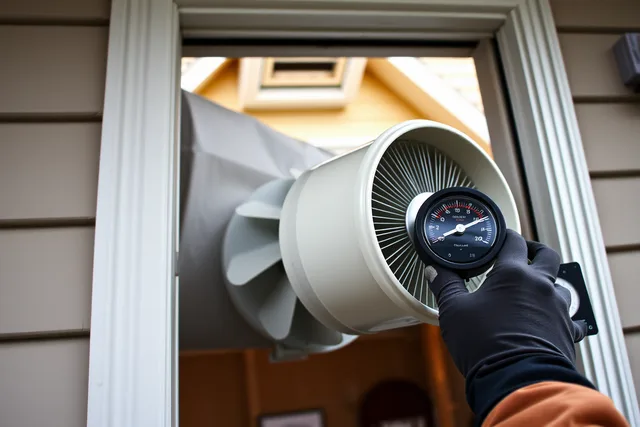
- Set up exhaust ventilation before opening can
Waterborne formulas lead the shortlist: Benjamin Moore Natura, Sherwin-Williams Harmony, ECOS Paints and AFM Safecoat Zero VOC Wall Paint all carry zero-VOC claims and clean up with water. Oil-based alkyds and solvent polyurethanes sit far higher.
For walls and ceilings, Benjamin Moore Natura is a zero-VOC waterborne paint sold in matte through semi-gloss, typically $85 to $100 a gallon. Benjamin Moore Aura Bath & Spa adds a moisture-tolerant film, which suits a windowless bathroom.
Sherwin-Williams Harmony is a zero-VOC interior acrylic sold for odor-sensitive rooms, typically $70 to $85 a gallon. It covers walls and ceilings in two coats.
ECOS Paints mixes zero-VOC wall paint and primer to order in Spartanburg, South Carolina, with gallons typically $70 to $95. AFM Safecoat Zero VOC Wall Paint costs roughly $75 to $95 a gallon and targets chemically sensitive occupants.
Zinsser Bulls Eye 1-2-3 is a water-based primer at about $25 to $30 a gallon, low VOC and water cleanup. It seals patches and stains before a zero-VOC topcoat. Kilz 2 is a comparable primer sold at Home Depot.
For trim, cabinets and furniture, General Finishes High Performance is a waterborne topcoat at roughly $30 to $35 a quart. Minwax Polycrylic runs about $20 to $25 a quart and cleans up with water.
Floors need a different class of product. Rubio Monocoat Oil Plus 2C is a zero-VOC hardwax oil applied in one coat; a liter covers roughly 500 square feet and kits run $60 to $120. Osmo Polyx-Oil is a plant oil and wax blend in the same family.
Bona Mega and Bona Traffic HD are waterborne floor finishes with low VOC content, sold through hardwood suppliers. Two-component versions cure harder than single-component waterborne urethanes.
Romabio Classico Limewash is a zero-VOC mineral coating for brick and masonry, typically $60 to $80 a gallon at Home Depot. Real Milk Paint Co. sells a zero-VOC powder mixed with water for furniture, about $20 to $30 a quart.
Skip these in a small room: oil-based alkyd paint, solvent-borne polyurethane, alcohol-based shellac, and aerosol lacquer. Each carries a heavier solvent load and a longer tail of off-gassing.
Do not speed up drying with a fuel-burning heater
This is the single most dangerous shortcut in small-room finishing: portable propane and kerosene heaters, and any unvented combustion appliance, produce carbon monoxide. Running one in a closed room to accelerate drying is exactly the scenario that causes poisonings.
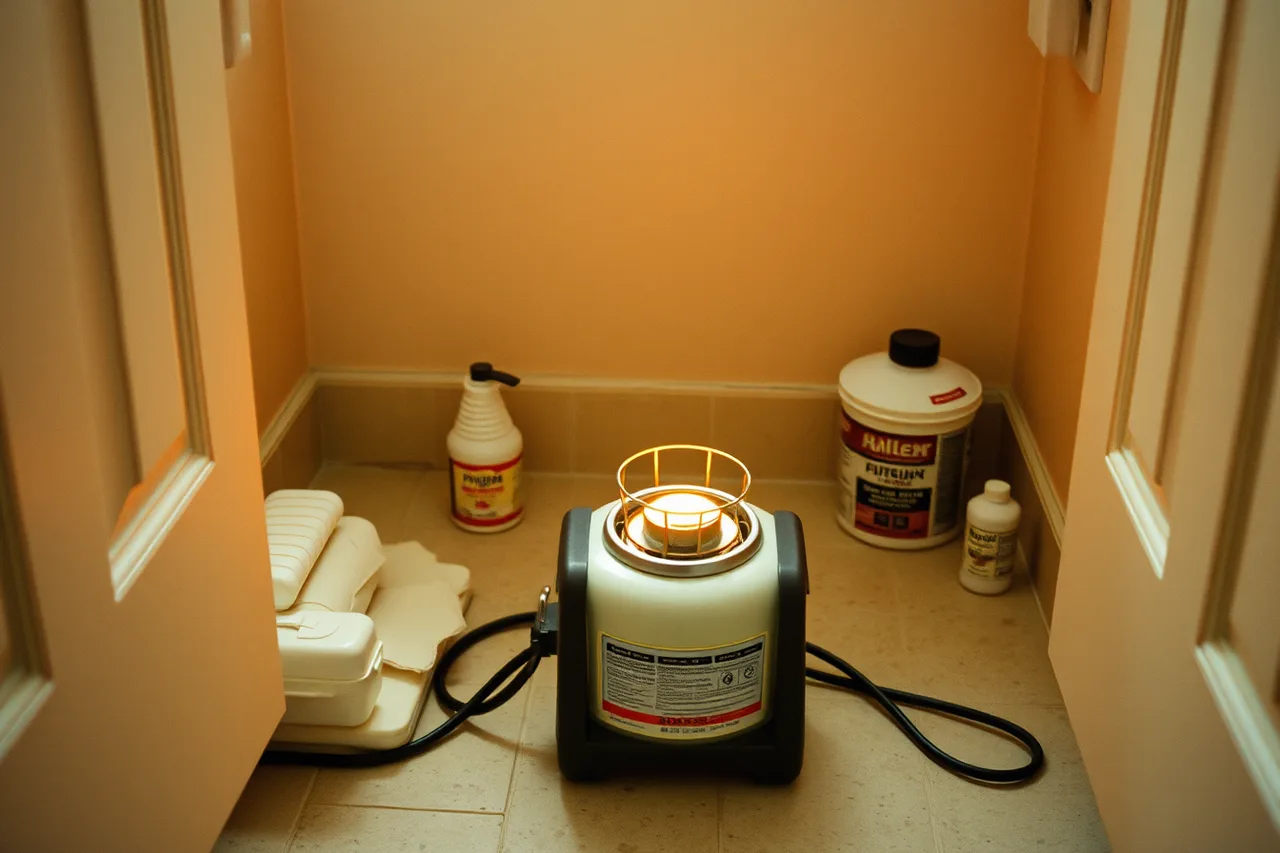
Carbon monoxide is one hazard. But interior material choices bring their own safety rules that a stage by stage checklist can catch early.
CDC's collection of carbon monoxide fact sheets and resources covers where the gas comes from, why the symptoms are easy to miss, and what alarms do.
The instruction for a small enclosed room is simple: use electric heat if you need warmth, keep combustion appliances out, and fit a working alarm regardless. An oil-filled electric radiator adds heat with no combustion byproducts.
A workable sequence for a small room
| Step | Detail |
|---|---|
| Before starting | Set up a fan exhausting to outdoors, seal the door gap with a towel |
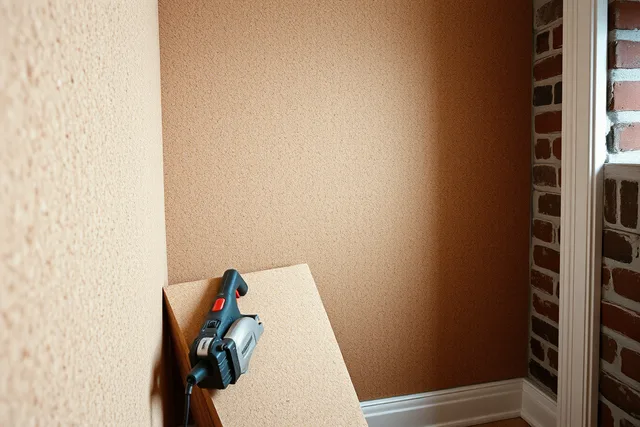
| Preparation | Sand with a vacuum-extracted sander, not a dry hand block |
| Priming | One product at a time, then ventilate before the next. Zinsser Bulls Eye 1-2-3 at $25 to $30 a gallon |
| Coating | Two thin coats with full ventilation between them, not one heavy coat |
| Wall paint | Benjamin Moore Natura or Sherwin-Williams Harmony, typically $70 to $100 a gallon |
| Trim and cabinets | General Finishes High Performance or Minwax Polycrylic, $20 to $35 a quart |
| Floors | Rubio Monocoat Oil Plus 2C, one coat, about $60 to $120 a kit |
| Drying | Electric heat only, doors and windows managed deliberately |
| After | Keep the exhaust running for the days the label specifies |
Splitting the work across days is what makes a small room tolerable. Priming on Saturday and coating on Sunday halves the peak concentration compared with doing both in an afternoon. Waterborne finishes typically want 50 F or warmer to cure.
Reduce the coated area where the design allows it. A tiled splashback instead of paint behind a small sink, or a tiled wet zone instead of a coated one, removes surface from the equation permanently rather than for one weekend. In rooms this small, a square foot of decision goes a long way.
Plan around the household
Anyone with asthma or a respiratory condition should be out of the house during the work. Return only once the room has been ventilated properly.
CDC's guidance on living with asthma day to day covers trigger avoidance and action planning. A finishing project is a predictable exposure you can schedule around rather than endure.
For children's rooms and nurseries, finish the work weeks ahead of occupancy rather than days. That is a scheduling decision, and it costs nothing if it is made early. Zero-VOC paint still smells while it cures.
The product-level testing behind these choices sits in our pillar on what held up in low VOC finish trials, and the ongoing care of the finished surfaces is covered in the year one maintenance plan.