
Features
Part of Natural insulation work inside a home: the stop-or-go survey checks
Natural insulation timeline: Retrofit phases
A natural insulation timeline maps survey, testing, air sealing, installation and verification, showing how each phase shapes the retrofit sequence.
What to take away
- Installation is the short part. Survey, testing and air sealing take most of the calendar.
- Radon testing belongs before the work, because sealing and insulating changes air movement at ground level.
- Hazard testing in an older house adds weeks, not days, when a result comes back positive.
- Verification is a scheduled task with a date, not something that happens if there is time.
The phases and what drives them
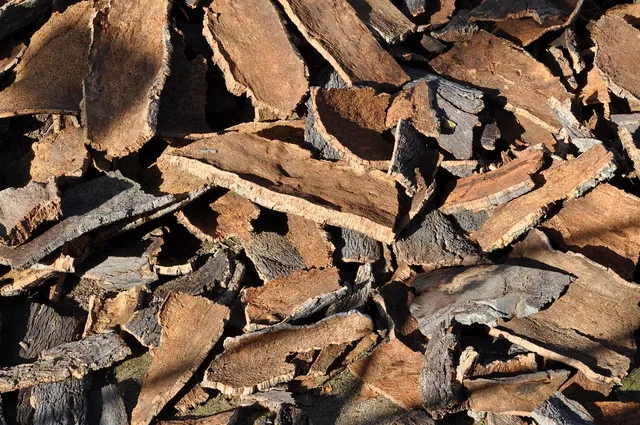
A natural insulation timeline depends on the home and the material chosen. Sheep’s wool, hemp, wood fiber, cellulose, cork, straw bale and cotton have different installation details, so the survey should assess building conditions as well as the product. Radon, lead and suspected vermiculite checks are property-hazard checks, not tests required solely because the insulation is natural.
Survey and assessment. A day on site, then a report. Add time if a blower door test and thermal imaging are included, which is usually worth it.
Insulation job phases in order
- Survey and assessmentsite day plus report
- Testingradon, lead, vermiculite lab turnaround
- Air sealingoften longer than expected
- Installationfast phase, often one day
- Ventilation workneeds electrical coordination
- Verificationdepth checks, photos, blower door
Testing. Radon, and in older houses lead and suspected vermiculite. Laboratory turnaround drives the schedule here, and a positive result changes the plan entirely. For paid work covered by the EPA’s Renovation, Repair and Painting (RRP) Rule in pre-1978 homes, firms must be certified and follow lead-safe work practices; EPA advises homeowners to assume vermiculite insulation contains asbestos and leave it undisturbed. If it must be assessed, consult a trained asbestos professional.
Air sealing. Frequently longer than expected. Attics with many penetrations, complex rooflines and knee walls all add days.
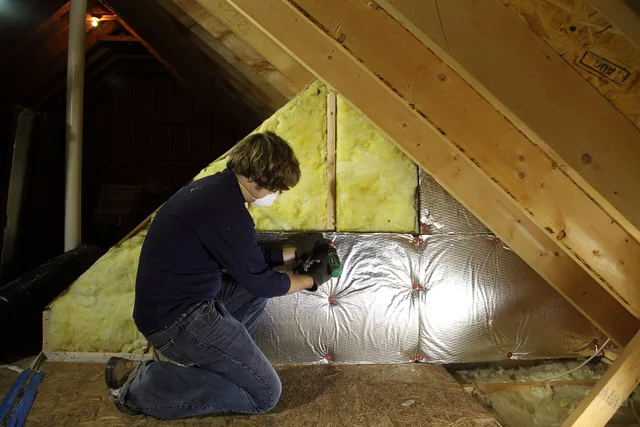
Installation. The fast phase. A straightforward attic top-up is often a single day.
Ventilation work. Fans, ducting and any mechanical ventilation. Needs coordination with electrical work.
Verification. Depth checks, photographs, a post-work blower door test where the scope justifies it.
Test before you seal
Radon testing belongs at the start. EPA is explicit about its map's limits: the map of radon zones shows areas with the greatest potential for elevated indoor levels. EPA says it should not decide whether an individual home needs testing.
Radon action level
4 picocuries per liter
Fix the home at or above this level
Test wherever you live, not by map zone
Book early: result needed before air sealing
Test wherever you live, and fix the home if the level reaches 4 picocuries per liter.
For a project schedule, book the test early enough to have a result before air sealing begins. Sealing changes how soil gas moves into a house.
A pre-work baseline is far more useful than a post-work surprise.
A workable sequence
| Phase | Depends on | Cannot start until |
|---|---|---|
| Survey | Access to attic and crawl space | Scheduling |
| Radon and hazard testing | Laboratory turnaround | Survey identifies what to test |
| Remediation, if required | Licensed contractor availability | Positive test result |
| Air sealing | Clear working space | Testing complete, hazards cleared |
| Ventilation and fan work | Electrical coordination | Air sealing plan agreed |
| Insulation installation | Material delivery | Air sealing signed off |
| Verification | Everyone still on site | Installation complete, nothing covered |
A positive hazard result can pause affected work while the appropriate assessment or remediation is scoped and scheduled. The next step depends on the hazard and applicable requirements.
Build in a verification day
Verification fails when it is assumed rather than scheduled. Put a named date in the plan for depth measurement, photographs of every area before it is covered, and confirmation that baffles are clear and the attic hatch is sealed.
Program documentation is a useful model for what verification looks like when it is taken seriously. EPA's collection of Indoor AirPlus program documents includes the construction specifications and verification checklists used to confirm that moisture control, ventilation and combustion safety measures were actually installed, rather than intended.
The full stage-by-stage picture sits in our guide to what happens at each stage of an insulation job, and the failures that follow compressed schedules are collected in what homeowners regret afterward.