Features
Part of Natural insulation work inside a home: the stop-or-go survey checks
Small-room natural insulation: where to spend the inches
Natural insulation ideas for small rooms and apartments: which natural materials fit thin spaces, where each inch pays off, and the safety checks to do first.
What to take away
- In a small space the constraint is thickness. Every inch of insulation is an inch of floor area lost, so the best natural insulation ideas for a small room are about placement first and material second.
- Tightening a small room changes its air quality faster than tightening a whole house does.
- Combustion appliances in or near a small tightened space need checking before the work, not after.
- Targeted fixes usually beat whole-envelope ambitions in apartments and single rooms.
Thickness is the whole problem
Insulating a small room is an area calculation. Adding three inches of internal insulation to all four walls of a ten by twelve foot room removes roughly eleven square feet, which is a significant fraction of a small bedroom.
Floor area lost to insulation
- 10 by 12 ftroom size
- 3 ininsulation added to all four walls
- 11 sq ftfloor area removed
That pushes small-space work toward materials that do the most in the least depth, toward insulating only the coldest surfaces, and toward fixing air leakage instead of adding bulk. Air sealing costs no floor area at all, which is why it is the first move in a tight room and not the last.
Which natural materials suit a small room
The natural insulation materials sold for homes fall into three physical forms, and the form matters more in a small room than the brand does.
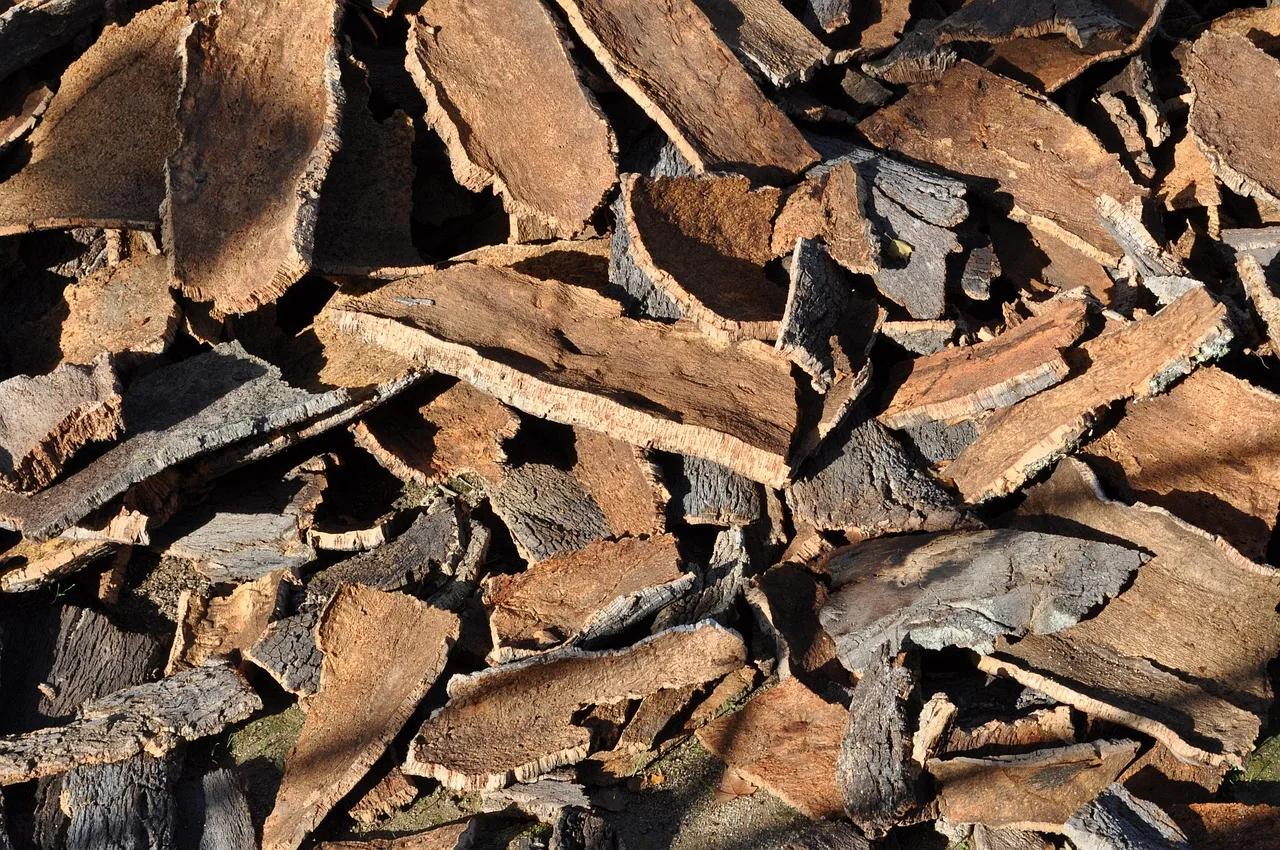
- Rigid boards: cork and wood fiber.They can be cut to the exact size of a reveal or a single wall, fixed directly to the surface and finished over, so they need no cavity. This is the form that works where space is tight.
- Batts and rolls: sheep's wool, hemp and cotton.They are soft, friction-fitted between studs or joists, and need an existing cavity or a new stud wall to sit in. In a small room that new wall is often the part you cannot afford.
- Loose-fill: cellulose.Made from recycled paper and blown or dense-packed into closed cavities and attic floors. It adds nothing to the room's footprint when the cavity already exists, which makes it a fit for the attic above a small room rather than for its walls.
Whichever material you choose, check its performance per inch on the manufacturer's own data sheet for the exact product, because the same material varies by density and make. Compare products on that figure, not on the material name.
Where to spend the inches
- The coldest surface first.Usually a ceiling under a roof, or a wall exposed on two sides.
- Rim joists and floor perimeters.Large heat loss, no floor area lost.
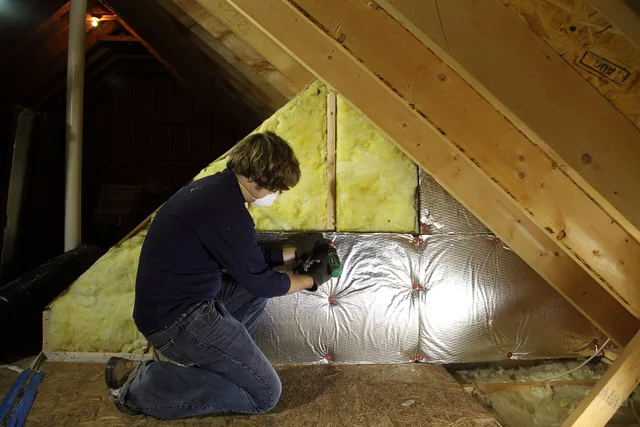
- Behind radiators on exterior walls.A thin reflective or rigid layer, minimal thickness.
- Attic hatches and access panels.Frequently uninsulated and easy to fix.
- Window reveals and shutter boxes.Thin cork or wood fiber board fits where batts cannot.
Rigid boards of cork or wood fiber suit small spaces because they can be trimmed precisely and finished directly. Batt materials need a cavity, which a small room may not have to give.
Tightening a small space is riskier
The smaller the volume, the faster indoor air changes character. A tightened studio apartment with a gas range and no working extraction is a different proposition from the same measures in a large house.
Carbon monoxide is the specific hazard. CDC's overview of carbon monoxide poisoning and where it comes from covers the sources found in homes and the symptoms, which are easy to mistake for something else. Before any tightening work, confirm every fuel-burning appliance is correctly vented, and fit carbon monoxide alarms listed to UL 2034, the standard state rules such as Montana's carbon monoxide detector rule require single station detectors to comply with.
Ventilation has to be added back deliberately. EPA's Indoor AirPlus frequently asked questions describe the program's approach to construction that combines a tighter envelope with the moisture control, ventilation and combustion safety measures that have to accompany it. The pairing is the point: tightening on its own is only half the work. For homes, the reference for how much mechanical ventilation is needed is ASHRAE Standard 62.2, which sets the required whole-building mechanical ventilation rate; a ventilation contractor can size a fan to it.
A practical order for one room
The cost column below ranks each step against the others in the same room. It is a relative order, not a price.
| Step | Cost | Floor area lost |
|---|---|---|
| Seal gaps at skirting, sockets, window frames | Low | None |
| Insulate and seal the attic hatch above | Low | None |
| Insulate the rim joist or floor perimeter | Moderate | None |
| Add rigid board to the coldest wall only | Moderate | A few inches on one wall |
| Fit or upgrade extraction in the wet room | Moderate | None |
| Insulate remaining walls | High | Significant |
Work down the list and stop when the room is comfortable. Most small rooms are fixed by the first three lines. Where the fourth line is needed, that is where a cork or wood fiber board earns its place.
The stage-by-stage picture for larger work sits in our guide to what happens at each stage of an insulation job, and the regional differences that change these choices are covered in how climate shapes interior decisions.