
Maintenance
Part of A practical guide to sustainable interiors that starts with the room
Year one and beyond: a maintenance rhythm for sustainable interiors
What natural finishes, cork, wool and stone need after the first year: a month by month rhythm, the cleaners to avoid, and the records worth keeping.
What to take away
- Year one hides problems. Sealers are still hardening, wood is still moving, and warranties are still generous.
- The cleaning products bought in month thirteen do more damage to natural finishes than foot traffic does.
- Reapply protection on a calendar, not on the day the surface finally looks bad.
- Keep the batch numbers. Matching a repair is the single most expensive thing to get wrong later.
What changes after the first year
Most interior materials pass through a settling period. Oil and hardwax finishes keep curing for weeks after they look dry. Solid wood and cork give up or absorb moisture until they reach equilibrium with the house. Small defects get absorbed by the material itself, so the first twelve months are misleadingly quiet.
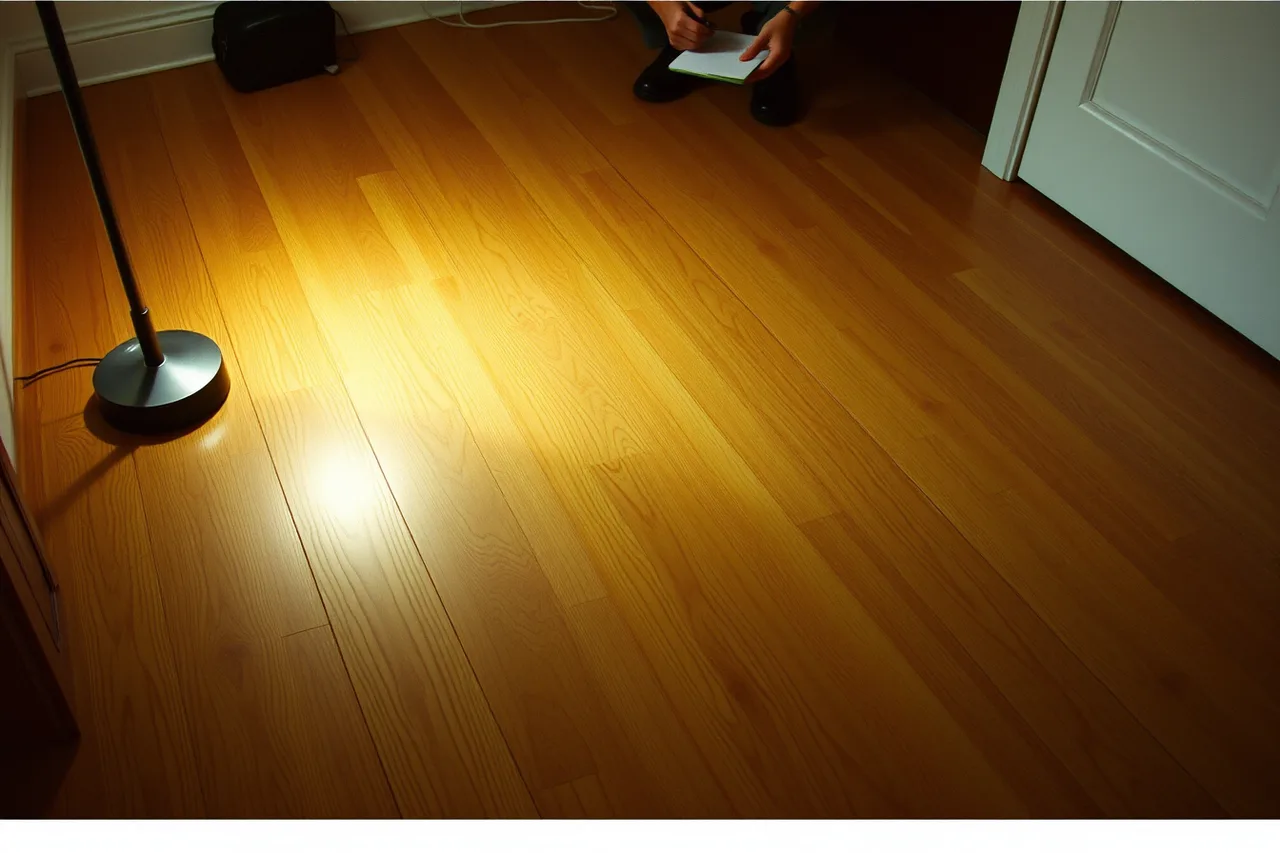
Year two is when the real pattern appears: the traffic lane in front of the sink, the faded stripe under the south window, and chair legs ground through a wear layer.
Treat the anniversary as an inspection date. Walk each room in raking light from a low lamp. That light reveals scratch patterns and dull patches overhead light hides.
A twelve month rhythm
| Interval | Task | Applies to |
|---|---|---|
| Monthly | Check under sinks and appliances for slow leaks | every material |
| Quarterly | Deep clean traffic lanes, rotate rugs and furniture | wood, cork, wool, linoleum |
| Twice a year | Reseal stone in wet areas, inspect grout lines | tile, stone, concrete |
| Annually | Refresh oil or hardwax on high-wear zones | oiled wood, cork, butcher block |
| Every three to five years | Screen and recoat, or repaint high-touch trim | wood floors, painted joinery |
The intervals vary by product and household. The point is that recoating is cheap and refinishing is not. A hardwax floor refreshed on time runs for decades on thin annual applications. The same floor left until the wood is bare needs sanding, which spends part of the board every time.
Twelve month maintenance rhythm
- MonthlyCheck under sinks for slow leaks
- QuarterlyDeep clean traffic lanes, rotate rugs
- Twice a yearReseal stone in wet areas
- AnnuallyRefresh oil or hardwax on wear zones
- Every 3-5 yearsScreen and recoat wood floors
Cleaning products are part of the material choice
Natural interiors are undone by aggressive cleaners more often than by wear. Ammonia dulls hardwax. Strong alkaline cleaners attack linoleum. Acids etch marble and limestone within seconds. Steam mops force water into seams never designed to take it. Read the care sheet before buying anything, and keep one neutral cleaner for daily use rather than a cabinet of specialty bottles.
Where you want an independent screen on ingredients, EPA reviews cleaning products against chemical criteria and awards the Safer Choice label to those that meet them. Pair that with the plain advice in EPA's guidance on improving the air inside a home, which puts removing or reducing a source ahead of trying to filter the result.
Keep the paperwork alive
Maintenance records fail because they live in a drawer. Put a single file somewhere you will actually look: product names, batch or dye lot numbers, the exact finish and sheen, the installer, the date, leftover stock and where it is stored, and every care sheet as a photo.
Two years later that file is what lets a repair blend instead of announcing itself. It is also the difference between a warranty claim and a shrug, since most warranties require evidence that the specified care was followed.
The projects that go badly, as our review of what repeat mistakes have in common shows, are usually the ones with no record of what was installed. If you are still choosing materials, the selection criteria in our main guide to sustainable interiors will shape how heavy this plan needs to be.