Costs
Part of A practical guide to sustainable interiors that starts with the room
Budgeting sustainable interiors in five buckets, without surprises
Build an interior materials budget in five buckets, price the lines most quotes leave out, and treat hazard testing as a cost rather than an optional extra.
What to take away
- A square foot price for the visible material is usually less than half the finished cost of the room.
- Budgeting sustainable interiors in five buckets keeps a budget honest: preparation, material, installation system, labor, and the tail after handover.
- Testing an older house is a budget line, not an optional extra, and finding a hazard changes the whole plan.
- Contingency belongs against named unknowns, not spread as a vague percentage.
Build the budget in five buckets
Most homeowner budgets collapse because they were built from one number: the price per square foot on a sample tag. Split the tag price into preparation, material, installation system, labor, and the tail after handover.
Five Budget Buckets
- Preparationremoval, disposal, subfloor repair, moisture testing
- Materialfield material plus five to ten percent waste
- Installation systemadhesive, fasteners, underlayment, primer, sealer
- Laborinstallation plus painting, doors, appliance moving
- The tailfirst-year care, recoat, matching repair stock
Price each bucket separately in every quote you collect. Quotes that bundle preparation into a single allowance line are the ones that grow.
| Bucket | What it covers | Typical share of finished cost |
|---|---|---|
| Preparation | Protection, demolition, disposal, moisture and paint testing before work starts | 10 to 20 percent |
| Material | The finish itself, plus adhesive, underlayment and trim matched to it | 30 to 45 percent |
| Installation system | Leveling compound, moisture barrier, fasteners and transition strips that make the finish work | 10 to 20 percent |
| Labor | Installers, certified abatement, and any specialty trade the job needs | 25 to 40 percent |
| Tail | Post-handover recoat, reseal, baseboard touch-up and leftover disposal | 5 to 10 percent |
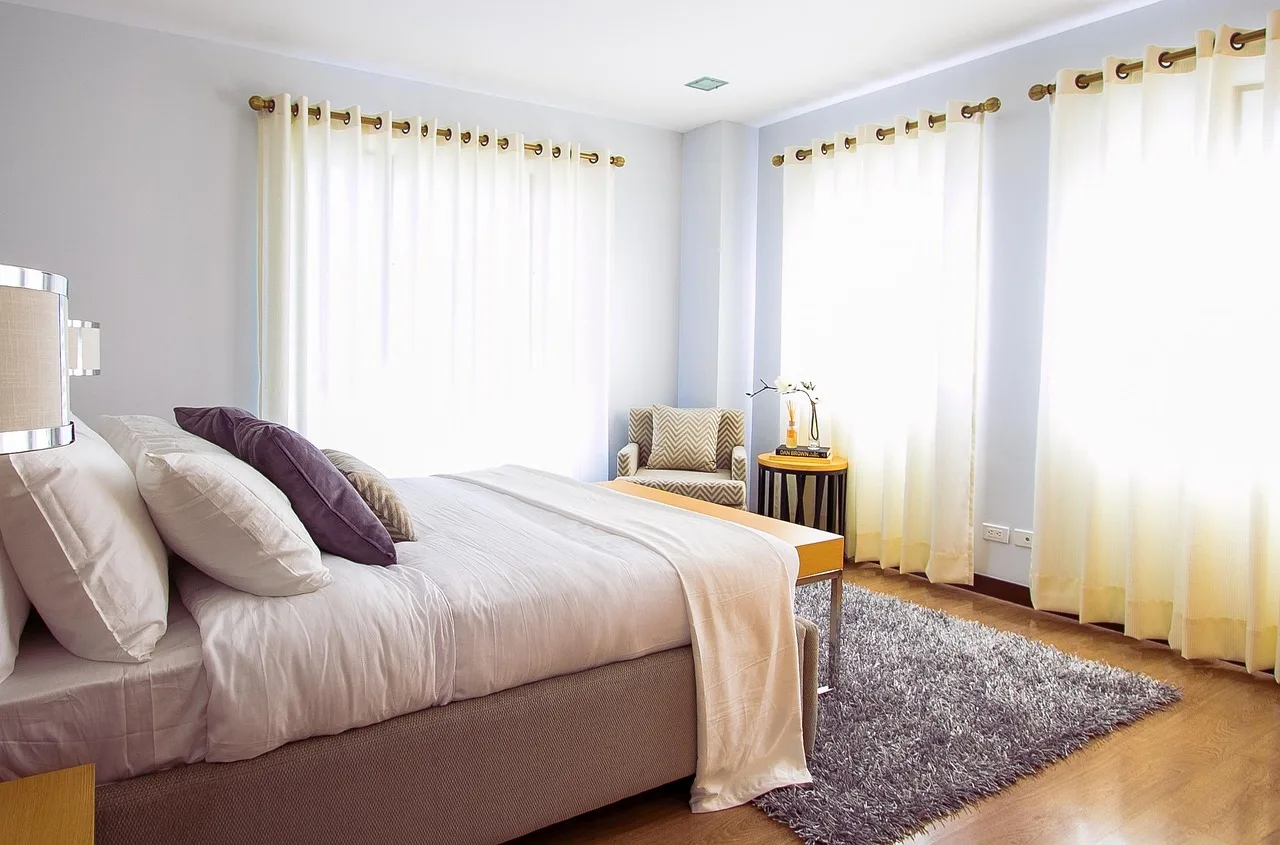
A typical planning example for a 200 square foot bedroom with mid-range resilient flooring: total budget $3,000 to $5,000. Preparation $300 to $700. Material $1,200 to $2,000. Installation system $300 to $700. Labor $800 to $1,500. Tail $200 to $400. The split depends on floor condition, local labor rates, and whether testing finds a hazard.
The lines people forget
| Overlooked line | Why it appears | When it lands | Typical cost or driver |
|---|---|---|---|
| Door undercut and threshold work | New floor build-up changes heights | During installation | Number of doors and thresholds; often $50 to $150 per door |
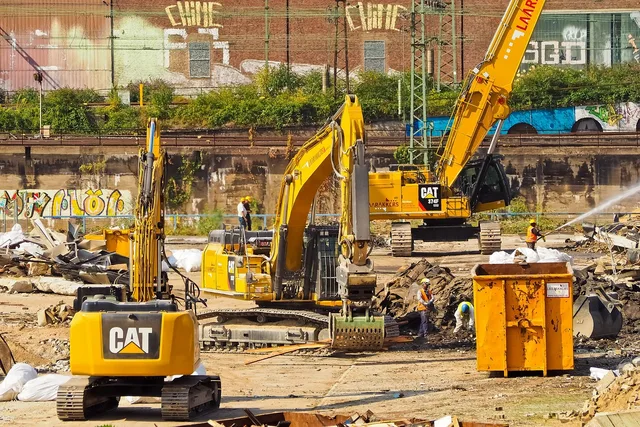
| Disposal fees for old material | Volume-based, varies by county | Demolition week | Tip fees and load volume; often $150 to $500 per load |
| Moisture barrier | Only known after the slab is tested | Before installation | Slab area and product; often $0.50 to $1.50 per square foot |
| Baseboard replacement | Old trim rarely survives removal intact | After installation | Linear feet; often $3 to $8 per linear foot installed |
| Recoat or reseal | Wear arrives before the warranty ends | Year two or three | Product and labor; often $1 to $3 per square foot per cycle |
None of these is exotic. They sit outside the frame of a material price, which is why a budget assembled from material prices always looks better than the invoice.
When Overlooked Lines Land
- Demolition weekDisposal fees for old material
- Before installationMoisture barrier after slab testing
- During installationDoor undercut and threshold work
- After installationBaseboard replacement
- Year two or threeRecoat or reseal
Testing is a cost, not an option
In housing built before 1978, the order of operations changes. Disturbing painted surfaces creates dust, so establish what is there before anything is sanded or torn out.
EPA describes the distinct roles of inspection, risk assessment and abatement, which are different services at different prices, performed by people with different certifications. Budget for the assessment and treat abatement as a conditional branch, not a surprise.
Radon belongs in the conversation when finishing a basement or slab-level room. Sealing and covering a floor changes how the house handles soil gas.
EPA maintains guidance on finding a test kit or a qualified measurement professional. Both are jobs for certified professionals. Abatement is not homeowner work.
Handle contingency honestly
A flat ten percent contingency is a wish. List the specific unknowns instead, assign a cost range to each, and hold money against the ones you cannot resolve before signing. Slab moisture, hidden water damage, an unlevel subfloor and lead paint on trim are the usual four.
Resolve what you can cheaply. A moisture reading and a paint test cost far less than the work they redirect. What remains unresolved is your real contingency.
The specification method in our guide to sustainable interiors feeds these numbers, and the failure patterns in five lessons from real projects show which unknowns actually turn into invoices. The first link adds the specification method; the second adds the failure patterns.