Industry
Part of A practical guide to sustainable interiors that starts with the room
Sustainable interiors projects: the five failures that keep repeating
Five failures that repeat across sustainable interior projects, from dust control to subfloor moisture, and the cheap step that prevents each one.
What to take away
- The dust plan is the project plan. Everything downstream of demolition depends on it.
- The adhesive, primer and underlayment decide the air quality more often than the visible surface does.
- Subfloor moisture voids more flooring warranties than installation error.
- Order spares with the original order. Matching a dye lot two years later rarely works.
Lesson one: containment is not optional
The most common regret in a natural materials renovation is not the material. It is fine dust that ended up in every room, in the ductwork, and in the new wool rug. Containment costs a fraction of the cleanup: sealed poly at doorways, a negative pressure fan venting outdoors, ducts taped shut, and shoes changed at the boundary.
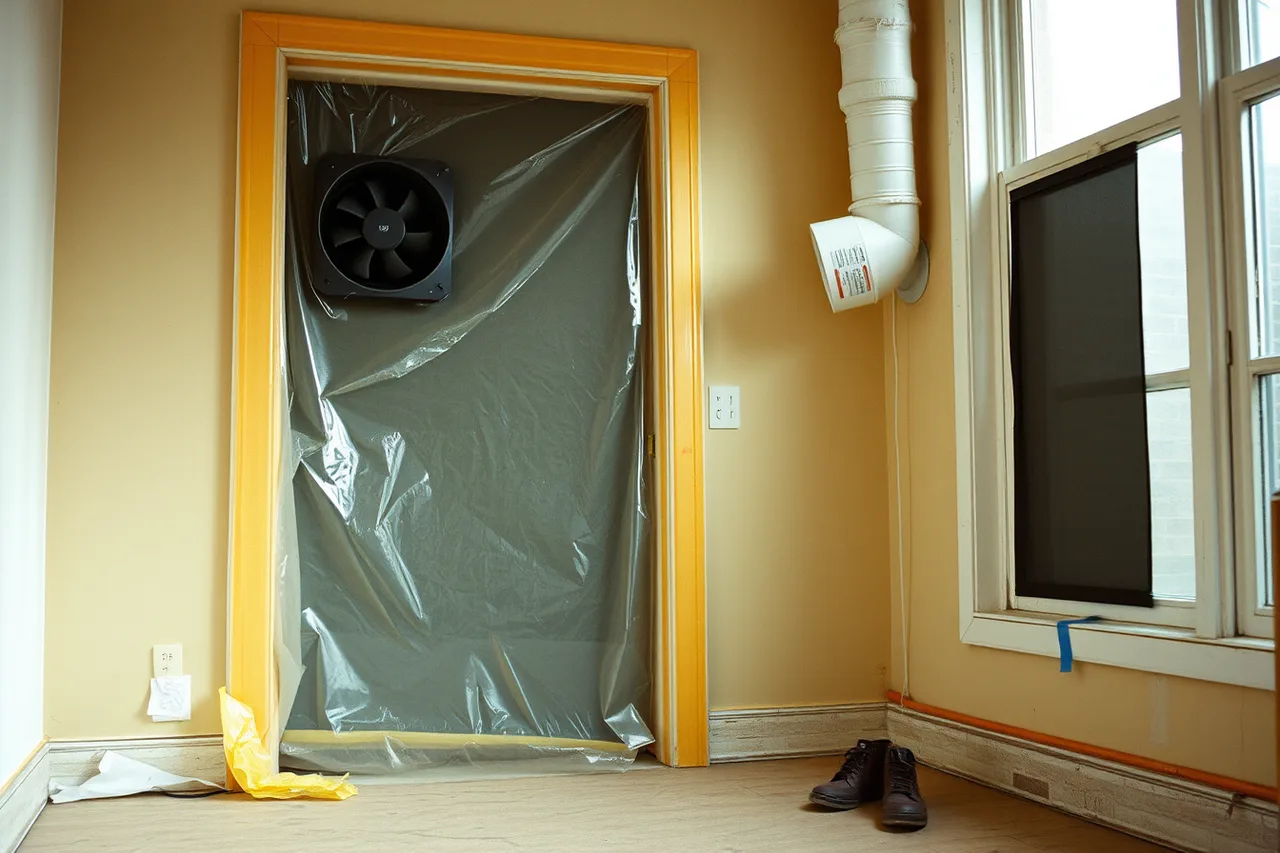
Occupational practice uses a hierarchy: remove the hazard entirely, then rely on personal protective equipment as the last line. NIOSH explains why control at the source beats control at the worker.
Applied to a home, that means picking a method that makes less dust before buying a better mask. Score and lift tile rather than smash it. Use a shrouded sander with vacuum extraction, and wet the work.
Lesson two: the surface is not the system
Projects miss air quality goals when the specification stops at the visible layer. A cork floor with a rated low emission surface, glued with solvent-heavy adhesive over a freshly primed subfloor, will smell for weeks.
The adhesive, primer, underlayment, sealant and grout additive belong on the emissions list. EPA groups those with other contributors under indoor pollutants and their sources.
Ask the installer for the actual product names, not categories, and collect the data sheets before the truck arrives. This is also the moment to ask what happens if the substrate turns out to need leveling compound, because that decision is usually made on the day, by whoever is standing there.
Lesson three: measure the subfloor, not the calendar
Moisture drives more failures than any other single cause. Concrete slabs release water for months. Crawl spaces push vapor upward year round. Basements move with the water table. Every serious flooring warranty specifies a moisture test method and a threshold, and skipping it is the fastest way to void coverage while installing an expensive floor onto a problem.
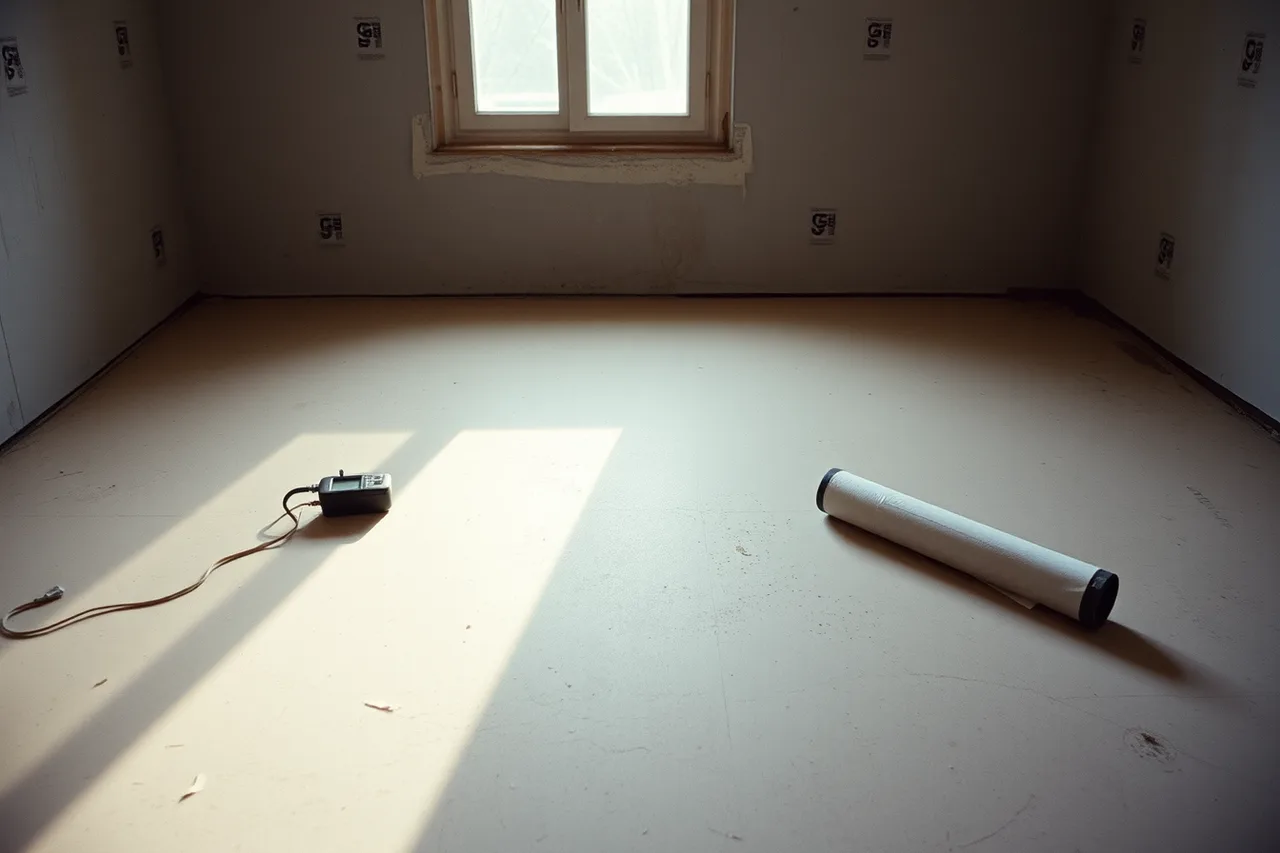
Insist on documented readings: the method used, the values, the date, and who took them. If numbers exceed the manufacturer's limit, the answer is a moisture barrier or a different product, not optimism.
Lesson four: buy the spares now
Natural materials vary by batch. Cork sheets, wool carpet, terracotta tile, linoleum and stained hardwood are all sensitive to dye lot and quarry run. Order five to ten percent more than the takeoff.
Keep the offcuts. Label the box with the room, the product and the date. A single spare tile keeps a bathroom repair to an afternoon instead of a full replacement.
Lesson five: the last five percent eats the budget
Transitions, thresholds, trim returns, stair nosings and the piece around the toilet flange are where schedules collapse. They are also where substitute materials creep in, undoing a careful specification. Draw, price and order them with the field material.
Our notes on where the money actually goes treat these as line items, not rounding. The sample discipline in what to trial first catches the mismatch before it is nailed down.