Reviews
Part of Testing low VOC finishes: what survived contact with a real wall
Which low VOC finishes upgrades add everyday value: a practical read
Which finish upgrades change daily life: washable surfaces in the rooms that get dirty, cleanable bathrooms, and where a premium finish is simply wasted.
What to take away
- Washability is the finish property that changes daily life most, and it is decided by sheen and quality.
- Spend the upgrade budget in kitchens, bathrooms, hallways and children's rooms. Skip it in the guest bedroom.
- A cleanable surface is part of managing dust, mold and allergens, alongside ventilation and moisture control.
- Matching a repair matters more over ten years than the exact shade did on day one.
Value is measured in cleaning
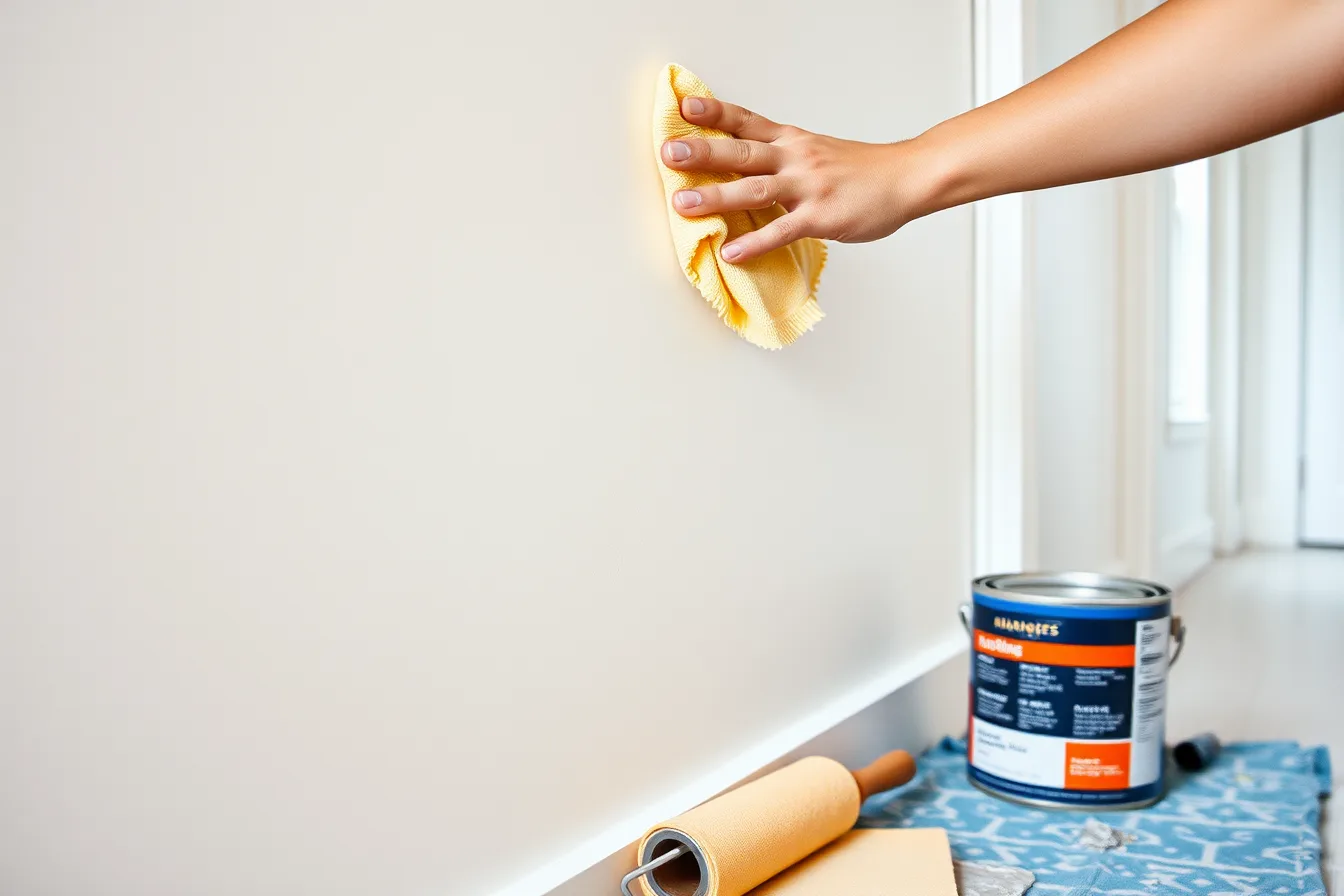
The everyday difference between a cheap and a good finish is what happens when you wipe it. A washable finish in a hallway survives handprints, scuffed luggage and a dog shaking off rain. A flat contractor-grade paint in the same hallway burnishes where it is wiped and needs repainting years earlier.
That is the whole case for a finish upgrade, and it applies unevenly by room. The guest bedroom nobody touches does not need it. The stairwell everybody touches does.
Where the upgrade pays
Property that matters
- Kitchen
- Grease resistance, washability
- Bathroom
- Moisture tolerance, cleanability
- Hallways and stairs
- Scuff resistance, touch-up behavior
- Children's rooms
- Washability, low odor at application
- Utility and mudroom
- Cleanability at low level
- Guest bedroom
- Almost nothing
Practical choice
- Kitchen
- Higher sheen, quality binder
- Bathroom
- Product rated for wet rooms
- Hallways and stairs
- Durable mid sheen
- Children's rooms
- Washable matt, finished well ahead
- Utility and mudroom
- Durable finish to a wipeable height
- Guest bedroom
- Standard finish, spend elsewhere
The pattern is contact. Rank rooms by how often a hand, a shoe or a cloth meets the wall, and the budget allocates itself.
Split-height hallway finish
Lower half
- Finish
- Durable
- Why
- Damage below waist
- Junction
- Rail or color line
Upper half
- Finish
- Standard
- Why
- Low contact
- Junction
- No invisible break
Height matters as much as room. In most houses, damage concentrates below waist level and around door openings.
Where budget is tight, a durable finish on the lower half of a hallway and a standard finish above it is a defensible compromise. The junction needs a deliberate line, such as a rail or a change of color, not an invisible break that will show.
Cleanable surfaces are part of the health picture
A surface that can be wiped is easier to keep dust free and easier to dry after a splash. That matters in households managing allergies or asthma.
CDC publishes a home environment assessment checklist for asthma triggers. It has a core assessment plus separate modules for dust mites and for mold and moisture. Action items are described as generally simple and low cost.
Reading it once shows where surfaces sit in the wider picture, which is somewhere in the middle rather than at the top.
Moisture ranks higher. CDC's overview of mold and what it needs to grow is consistent with every other source on this: mold grows where there is moisture, and controlling moisture is what controls it. A wipeable bathroom wall helps. A working extract fan helps far more.
What not to spend on
Skip specialty coatings promising air purification. Skip a premium finish in a low-contact room. Skip deep saturated colors in high-touch areas unless you are prepared for touch-up flashing, which is worse the deeper the color.
Spend the difference on primer, on a third coat where coverage needs it, and on keeping the exact batch for repairs. The same reasoning about where daily contact justifies an upgrade appears in which insulation upgrades change daily life, and the product performance behind these choices is in our pillar on what held up in low VOC finish testing.