Maintenance
Part of Testing low VOC finishes: what survived contact with a real wall
What do homeowners regret most about their low VOC finishes choices?
The regrets that follow low VOC finishes: coverage, touch-up flashing, cure times, painting over damp walls, and expecting a product to fix the air.
What to take away
- The most common regret is buying paint and skipping the primer that the paint needed.
- Touch-up flashing frustrates more people than coverage does, and it is worse on flat sheens.
- Painting over a damp wall wastes the paint and hides the actual problem.
- No finish improves indoor air on its own. Reducing a source is not the same as ventilating.
Regret one: the primer was an afterthought
Low-emission topcoats are frequently blamed for problems the primer was supposed to solve. Stain bleed-through, patchy sheen on repaired plaster, and poor adhesion on glossy old paint are all primer failures wearing a topcoat's name.
Buy the primer as part of the system, tint it toward the finish color for strong shades, and use a dedicated stain-blocking product where water or nicotine stains exist. The extra step costs less than the extra coats it prevents.
Regret two: touch-up that announces itself
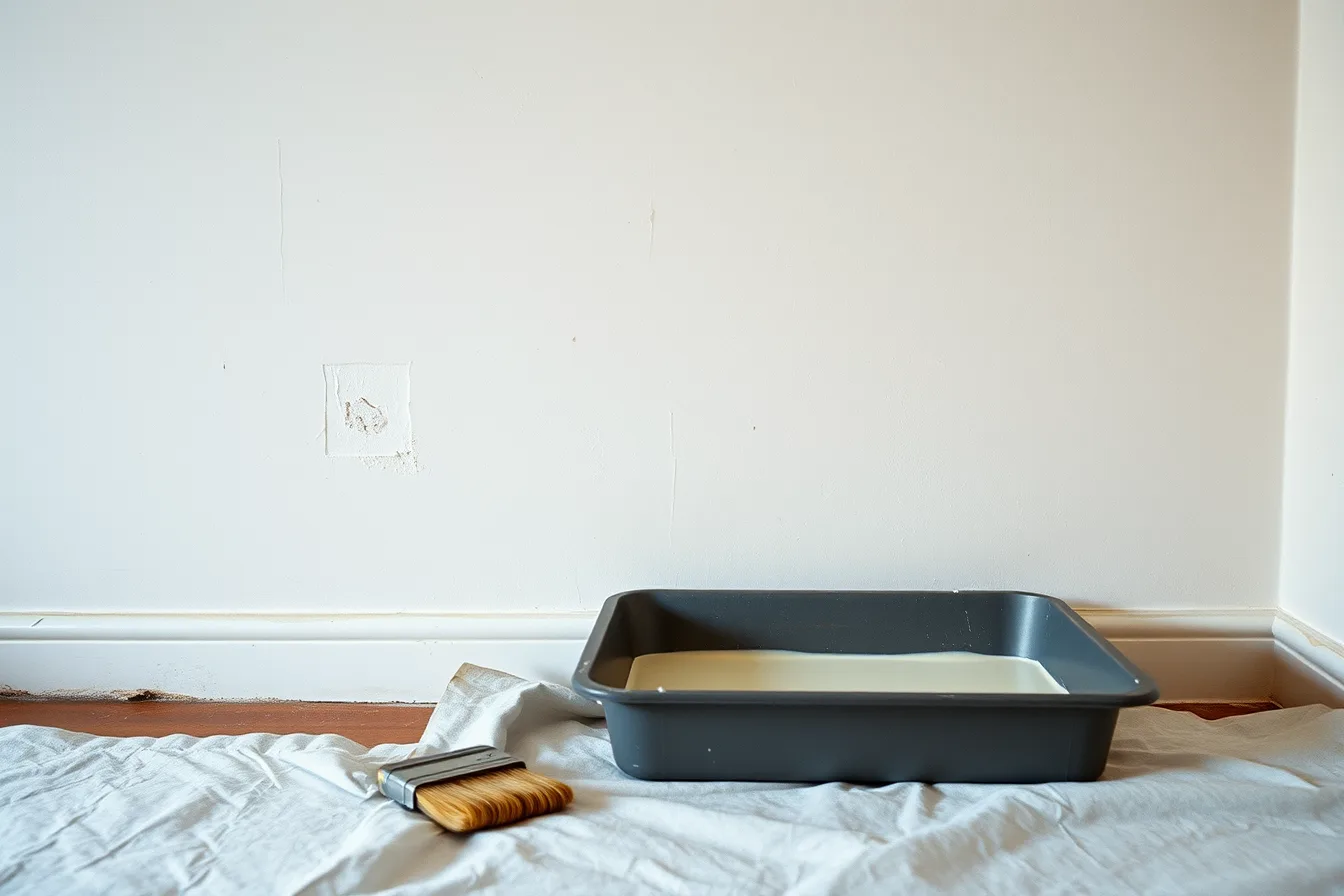
Touching up a wall a year later almost never blends invisibly. The new paint has a slightly different sheen, the surface underneath has aged, and the patch shows under raking light.
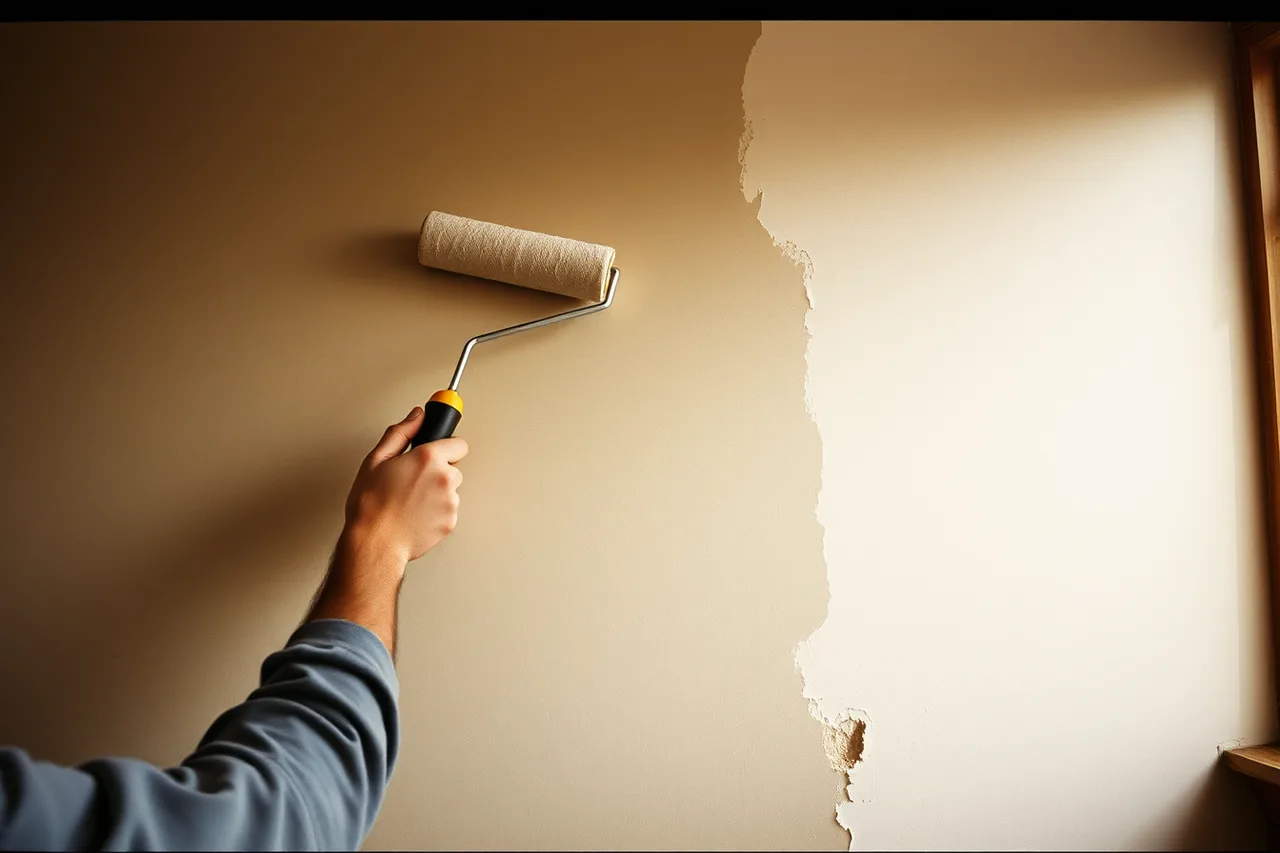
Two habits fix it. Keep the exact batch and tint formula from the original order. When touching up, paint the whole panel corner to corner, not a patch in the middle. On flat sheens the difference is dramatic.
Keeping the batch number also matters when you compare recycled interior surfaces, since dye lots shift between production runs.
Regret three: painting over a damp wall
What happens
- Paint over a water stain
- It bleeds through within weeks
- Paint over visible growth
- It reappears through the film
- Seal a damp wall with a barrier coating
- Moisture moves elsewhere
What to do instead
- Paint over a water stain
- Fix the leak, dry, prime with a blocker
- Paint over visible growth
- Remediate, fix the moisture, then finish
- Seal a damp wall with a barrier coating
- Diagnose the water path first
EPA's room-by-room interactive mold house tour is a quick way to see where household moisture problems typically start, which is usually somewhere other than the wall you are about to paint. Fixing the source first is the only version of this that works. Homeowners who skip that step often end up regretting their recycled interior surfaces choices once moisture returns.
Regret four: expecting the paint to clean the air
Households sometimes choose a low-emission finish expecting the room to feel measurably better. It will smell better during and after the work, which is real. It will not address the other sources in the house or the ventilation rate.
EPA's catalog of publications about asthma and indoor triggers covers the wider set of household exposures that actually drive symptoms: dust mites, pets, mold, pests and combustion by-products. A finish choice sits alongside those rather than replacing them.
Regret five: rushing the cure
Dry to touch and fully cured are different states, sometimes weeks apart. Furniture pushed against a wall too early leaves marks. Shelves loaded before a clear finish hardens dent permanently. Washing a wall during the cure period burnishes the sheen.
Read the cure time on the data sheet, write it on the calendar, and keep the room lightly used until it passes. The same discipline shows up in what homeowners regret about insulation work, where impatience produces most of the avoidable damage, and the product-level trial method is in our pillar on what held up in low VOC finish testing.