Rules
Part of Natural insulation work inside a home: the stop-or-go survey checks
Vet a natural insulation contractor on diagnostics, not just price
How to vet a natural insulation contractor: diagnostics, air sealing scope, combustion safety, depth in writing and verification before work is covered.
What to take away
- A natural insulation contractor who quotes insulation without inspecting the attic and crawl space is quoting a guess.
- Ask what diagnostics they run. Blower door and combustion safety testing separate the trades quickly.
- Know which material you are buyingcellulose, sheep's wool, wood fiber, hemp or cork — and what binder holds it together.
- Air sealing should be a priced line item, not a phrase in a paragraph.
- Get the target depth or density in writing, with verification photographs promised before anything is covered.
The first visit tells you most
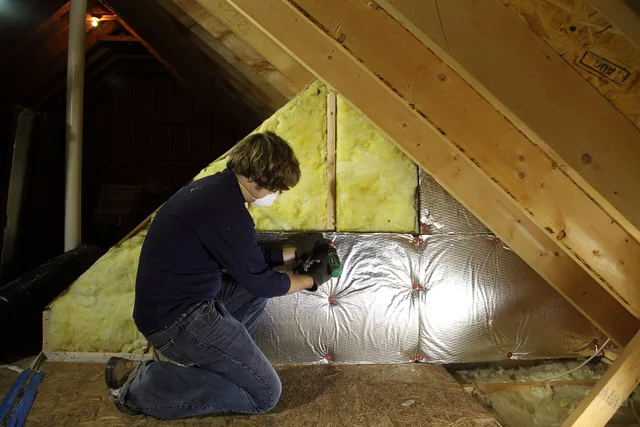
A competent contractor goes into the attic and the crawl space, looks at the mechanical equipment, and asks about comfort complaints room by room. One who measures the floor area from the driveway and emails a price is selling material, not performance.
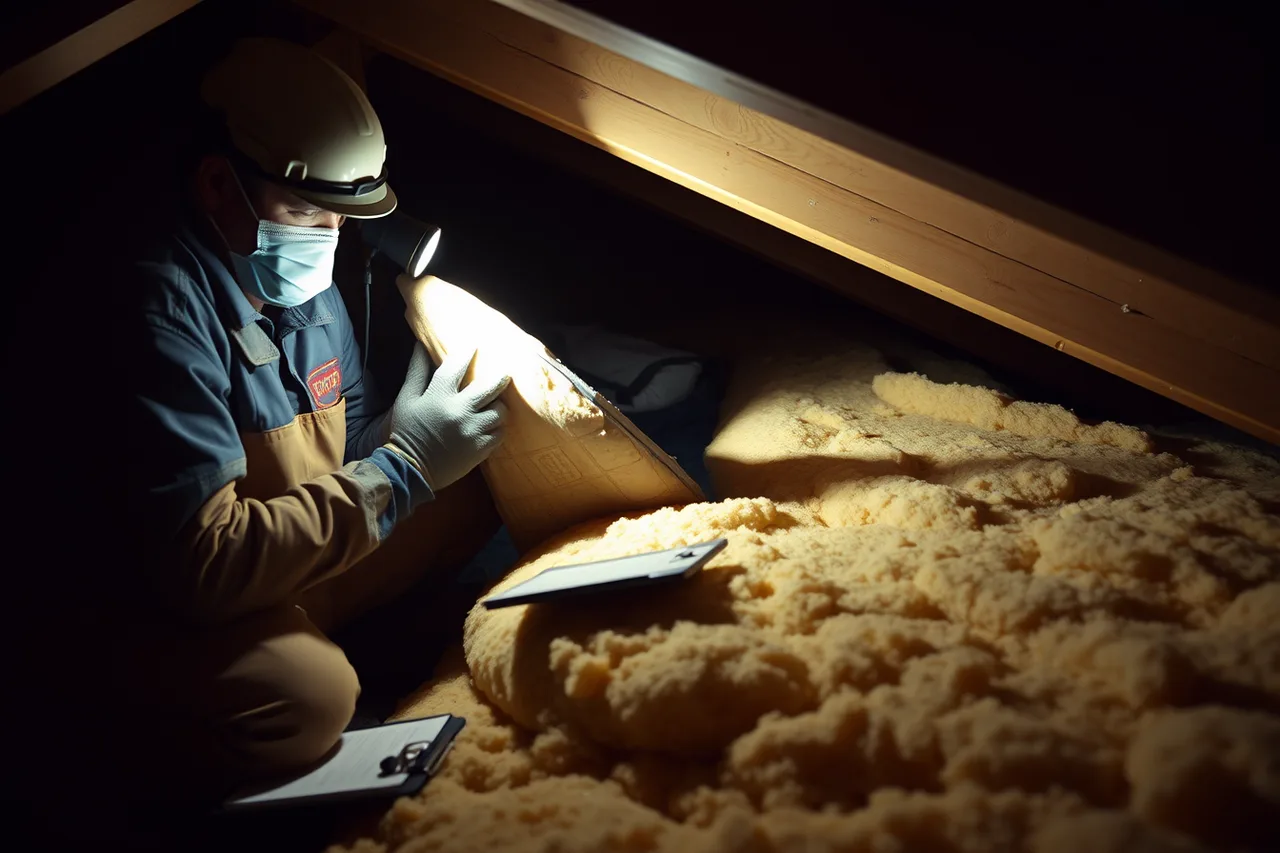
Three questions at the first visit are diagnostic in themselves. What is the existing insulation and is it dry? Where is the air barrier? What combustion appliances are here and how are they vented? A contractor who cannot answer all three after a site visit has not done one properly.
Diagnostics and certification
Ask which tests they perform and whether results are provided in writing. A blower door test before and after quantifies what the work achieved; ask for the reading in ACH50 — air changes per hour at 50 pascals — the number the ASTM E779 fan-pressurization method produces. Thermal imaging in cold weather finds missed areas. Combustion safety testing confirms that appliances still vent correctly once the house is tighter.
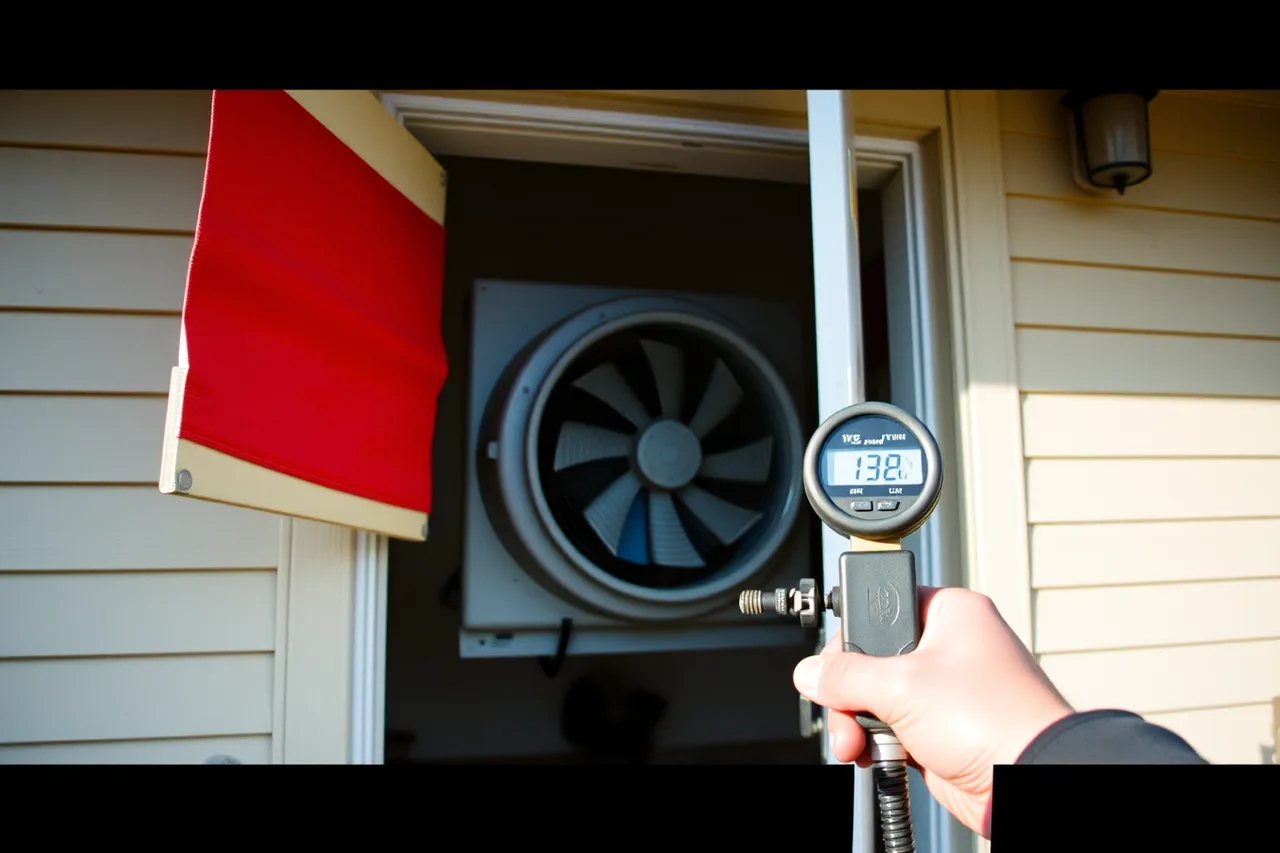
On credentials, ask for the names, not the logos. A BPI Building Analyst or a RESNET HERS Rater has been trained on exactly this testing, and NATE certification covers the combustion appliance side. Manufacturer training matters too, because cellulose, wool, and wood fiber each carry their own density and installation requirements. Ask which of these the crew holds before you sign, and put the blower door target you agreed on in the contract.
Ask about certification for adjacent hazards too. If the house predates 1978 and painted surfaces will be disturbed, the firm must be an EPA Lead-Safe Certified Firm working to the Renovation, Repair and Painting (RRP) Rule, and the crew on site needs current lead-safe work practices training. If vermiculite is suspected, stop, close off the area, and call a licensed asbestos abatement contractor working under your state's asbestos program and EPA's asbestos NESHAP rules — never vacuum or bag it yourself.
Where you want independent context on state programs and contacts, EPA maintains a directory of regional office and state indoor air quality information, which is a reasonable route to whichever state office handles these programs where you live. For income-qualified work, the federal Weatherization Assistance Program runs through your state's weatherization office, and many utilities offer their own insulation and air sealing rebates. EPA's radon resources page serves the same purpose for radon measurement and mitigation, including how to reach state radon contacts.
What counts as natural insulation
Natural insulation is a family of materials, not one product. The usual options are cellulose (recycled paper, treated with borates), sheep's wool, wood fiber board and batts, hemp, and cork. Mineral wool is mineral rather than plant-based, but it is often grouped with them because it is formaldehyde-free and made partly from recycled slag.
'Natural' is a claim about binders and blowing agents as much as about the fiber. Ask what holds the material together and what blows it into a cavity: formaldehyde-free binders and low-impact blowing agents are what separate a low-emission product from a fiber that off-gasses in a sealed attic. Ask for the safety data sheet, and ask how the material behaves when it gets wet — cellulose and wool can dry out and keep working, while boards and foams can trap moisture against the sheathing.
What the quote must contain
Acceptable
- Air sealing
- Scope described, priced separately
- Insulation material
- Product, form, target depth or density
- Coverage area
- Square footage by area
- Ventilation work
- Fans, ducting, controls specified
- Combustion safety
- Test named, before and after
- Verification
- Photographs and measurements promised
- Exclusions
- Written list
Not acceptable
- Air sealing
- Mentioned in passing
- Insulation material
- "Natural insulation"
- Coverage area
- One lump figure
- Ventilation work
- Assumed to exist
- Combustion safety
- Not mentioned
- Verification
- Silence
- Exclusions
- Silence
For the insulation rows, 'acceptable' means the material and form are named — cellulose at a stated settled density, wool batts, wood fiber, hemp, or cork board — along with the target depth or density and the R-value the installer is committing to. If air sealing is not a separate priced line, you cannot tell whether it is being done. That single row filters a surprising number of bids, and it also makes two quotes comparable for the first time.
Ask for customer references that mean something
Ask for two references from jobs at least two winters old, in houses similar to yours. Recent references show that the crew turned up. Older references show whether the work held.
Ask those homeowners three things: did the drafts stop, did any condensation appear afterward, and did the contractor come back when asked. Then compare the answers against the stage list in our guide to what happens at each stage of the work and the schedule assumptions in the realistic project timeline.