Reviews
Part of Interior Material Choices Planning: Assembly and Trade-Offs
Interior material choices comparison: walls, cabinetry, trim
An interior material choices comparison weighs wall, cabinet and trim options by durability, repair, emissions and substrate needs.
What to take away
- An interior material choices comparison starts with repair behavior and moisture tolerance, not looks, for wall and ceiling choices.
- Cabinetry and built-ins are the largest source of composite panel surface area in most homes.
- Comparing on price per square foot hides the cost of the substrate each option needs.
- Rooms differ. A single specification for the whole house is almost always wrong somewhere.
Wall and ceiling surfaces
Four families cover most interiors, and they fail differently.
Wall and ceiling surfaces compared
Gypsum board
- Cost and speed
- Cheap, fast
- Moisture cycling
- Poor unless resistant
- Repair
- Easy to patch
- Best use
- Dry rooms
Lime and clay plaster
- Cost and speed
- Slow, skilled, costly
- Moisture cycling
- Handles well
- Repair
- Repaired in place
- Best use
- Living areas
Wood boards and panels
- Cost and speed
- Moderate
- Moisture cycling
- Moves with humidity
- Repair
- Repairable
- Best use
- Warm interiors
Tile
- Cost and speed
- High substrate cost
- Moisture cycling
- Wet zones only
- Repair
- Replace tile
- Best use
- Bathrooms, wet zones
- Gypsum board.Cheap, fast, easy to patch. Poor in sustained damp unless a moisture-resistant type is specified, and it crumbles when saturated.
- Lime and clay plaster.Handles moisture cycling well and can be repaired in place indefinitely. Slower, more skilled, more expensive up front.
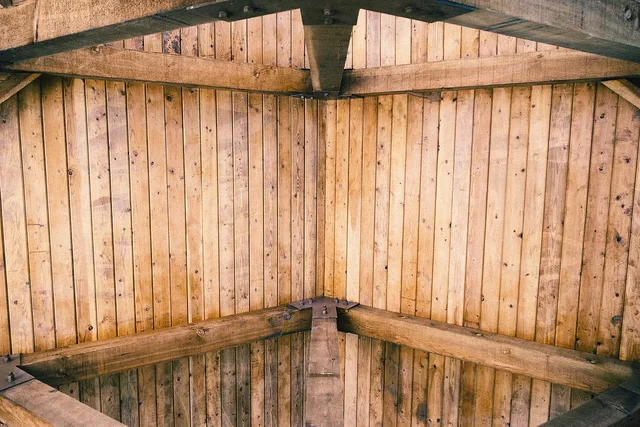
- Wood boards and panels.Warm and repairable, but they move with humidity and each seam is a place for that movement to show.
- Tile.The right answer in wet zones and the wrong one everywhere else, because the substrate and waterproofing cost more than the tile.
The decision usually comes down to two questions. How does this room handle water, and who will repair this surface in ten years? A plaster wall that a local trade cannot repair is a liability. Gypsum board in a bathroom without a proper waterproof layer is a slower version of the same problem.
Cabinetry, shelving and built-ins
Cabinets, closet systems and shelving put more square feet of composite panel into a house than flooring does. That is why panel emissions belong in this comparison.
Reducing panel emissions
- Ask for compliant panel stock and certification paperwork
- Prefer panels finished on all six sides
- Seal raw edges to limit emissions
- Ventilate hard for the first weeks
- Ask what the box is made of, not the door
Formaldehyde is used in many wood adhesives. EPA's plain summary of what formaldehyde is and where people meet it explains why new panel products are strongest as a source when they are new and the room is closed.
Practical responses, in order of effect: for MDF, particleboard and hardwood plywood, ask for documentation that the panels comply with EPA's TSCA Title VI formaldehyde rule (40 CFR Part 770). California's CARB Airborne Toxic Control Measure (ATCM) Phase 2 is another formaldehyde emissions requirement for composite wood panels. UL GREENGUARD Gold certification and testing to the CDPH Standard Method can add emissions information but do not replace applicable TSCA Title VI documentation. Prefer panels finished on all six sides so raw edges are sealed, and ventilate hard for the first weeks.
Solid wood and plywood with veneer faces behave differently from particleboard and MDF. Ask what the box is made of, not what the door looks like.
Side-by-side comparison
| Application | Material choice | Durability and repair | Substrate, moisture and health check |
|---|---|---|---|
| Walls and ceilings | Gypsum board | Easy to patch; it crumbles when saturated. | Fasten to framing. Standard gypsum board is not a waterproofing layer for wet areas. |
| Walls | Lime or clay plaster | Repairable in place; handles moisture cycling well. | Use a compatible base, such as masonry or lath. It is not a substitute for wet-area waterproofing. |
| Walls | Wood boards and panels | Repairable, but humidity movement can show at seams. | Fasten over framing or furring and avoid recurring wetting. |
| Wet-area walls | Tile | Durable in wet zones; grout and joints need upkeep. | Set over cement backer board or a mortar bed with a continuous waterproofing membrane. Tile and grout alone are not waterproof. |
| Cabinetry | Solid wood | Repairable and refinishable; moves with humidity. | Protect the cabinet box and exposed surfaces from leaks. |
| Cabinetry | Plywood with veneer faces | Panel construction; veneer damage can be difficult to patch invisibly. | Seal cut edges and protect the box from leaks. |
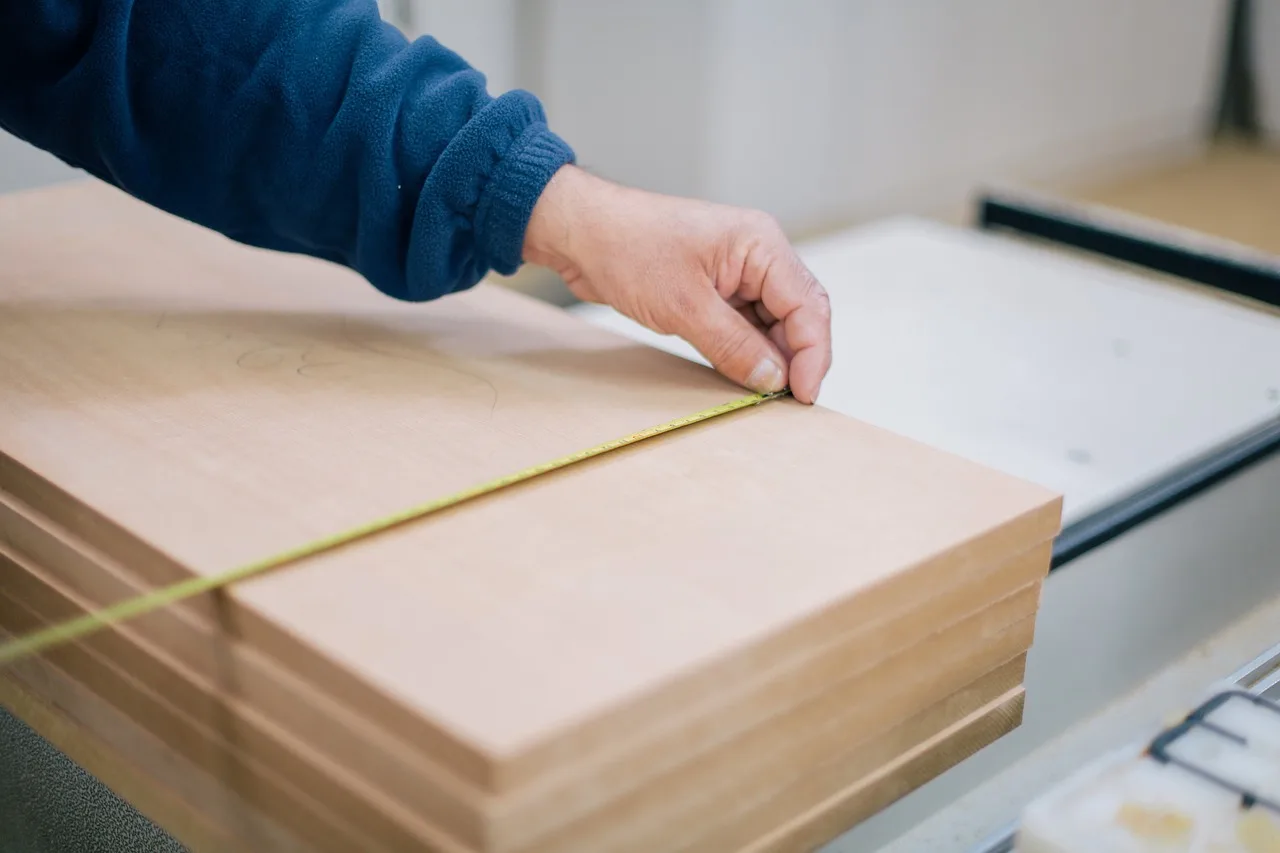
| Cabinetry | MDF or particleboard | Smooth surfaces, but water swelling and edge damage can be difficult to repair. | Seal exposed edges and check applicable panel-emissions documentation. |
| Trim | Solid wood | Repairable and refinishable; can move with humidity. | Keep finished trim dry and allow for movement in installation details. |
| Trim | MDF | Smooth and paint-ready; vulnerable to water damage. | Keep it dry, seal exposed edges, and check applicable panel-emissions documentation. |
Compare by room, not by house
Dominant stress
- Bathroom
- Liquid water, vapor
- Kitchen
- Grease, heat, splashes
- Bedroom
- Emissions in a closed room
- Basement
- Ground moisture, cool surfaces
Usually right
- Bathroom
- Tile over a waterproof layer
- Kitchen
- Washable finishes, sealed panels
- Bedroom
- Low emission finishes, mineral surfaces
- Basement
- Vapor-tolerant assemblies
Usually wrong
- Bathroom
- Standard gypsum board
- Kitchen
- Porous unsealed plaster
- Bedroom
- New panel furniture, unventilated
- Basement
- Trapped organic materials
EPA's overview of how indoor air quality differs by building type makes the same point at building scale: occupancy and use change what matters.
The same product is a good answer in one setting and a poor one in another.
What the comparison should produce
This exercise does not produce a winner. Use the side-by-side comparison above as a screen, then produce a short table per room with four filled columns: what stress the room applies, which candidates tolerate it, what substrate each candidate needs, and what removal will cost.
Take that table into the sequencing work in our planning guide for interior materials. Use it to write specific contractor questions, not general ones, following the hiring questions worth asking.