Reviews
Part of Material selection mistakes: eight decision errors and the checks that catch them
A realistic take on material selection mistakes products worth testing, updated for 2027
A working list of flooring, insulation, panel and finish products worth ordering as samples in 2027, and the claim behind each one that deserves a check.
What to take away
- Material selection mistakes in 2027 start with a sample pulled from a different production run than the order.
- Products worth testing firstcork underlayment, linoleum, cork plank, hemp batts and mycelium board, plus three named finishes.
- Cork underlayment lives or dies on its impact insulation class (IIC), so ask for the test report behind the number.
- Compare batts by R-value per inch before price, then by installed cost per square foot.
- Panels need a TSCA Title VI label naming a certifier such as SCS Global Services or Intertek.
- A "free from" finish earns its place only if it cures as hard; scratch a coated scrap at day seven.
- One paid sample per candidate costs less than one wrong order.
Flooring: cork underlayment, Forbo Marmoleum and cork plank
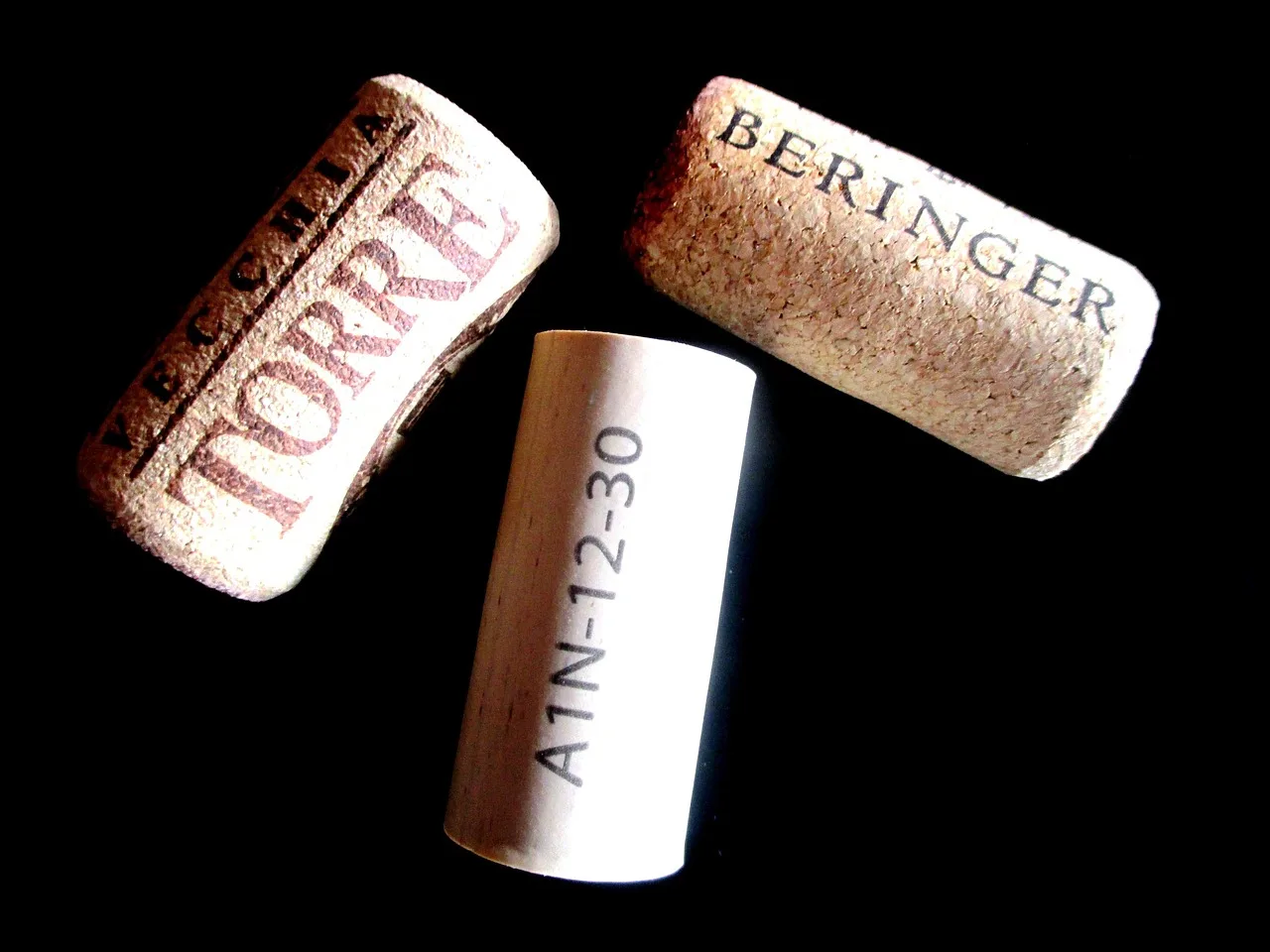
Mistake one is buying cork underlayment by thickness. Condo boards rule on the impact insulation class (IIC) number, and that number belongs to the whole assembly: cork, subfloor and the ceiling below.
Amorim Cork Composites and Jelinek Cork Group both publish cork underlayment rolls. A 6 mm roll commonly adds 10 to 15 IIC points over a bare slab, but the test report for your build-up settles it.
Mistake two is treating linoleum as a vinyl product. Forbo Marmoleum is linseed oil, pine rosin, wood flour and limestone, pressed onto jute backing, and it takes linoleum adhesive and seam welding.
Order a tile and a seam sample; the seam is where a linoleum floor holds or lifts. Forbo also sells Marmoleum Click, a floating cork-core panel for rooms where glue-down is not allowed.
For a warmer surface, look at cork plank with a wear layer measured in millimeters. Wicanders Hydrocork, an Amorim Flooring brand, publishes that figure per SKU; ask for it, not the warranty length.
Insulation: hemp, mycelium and mineral wool, by R-value per inch
Mistake three is comparing batts by price per bag. Hempitecture's HempWool is the hemp batt a homeowner can order, sold in standard widths and listed around R-3.5 to R-3.7 per inch.
Hemp-lime, often called hempcrete, is a wall system mixed on site rather than a product, so it belongs with an architect.
Mycelium board is grown from agricultural waste bound with fungal mycelium, then dried. Ecovative Design licenses the technology, and Mogu in Italy sells mycelium acoustic panels.
Mistake four is putting mycelium board in a fire-rated wall without an ASTM E84 report. It is usually the priciest option per unit of R, so ask for that report first.
Mineral wool is the baseline. Batts are vapor-open, fire-resistant and typically R-3.7 to R-4.3 per inch; Rockwool Safe'n'Sound and Owens Corning Thermafiber are the names most yards stock.
As of 2026, a bag of mineral wool batts covering about 60 square feet lists near $60 to $80, or roughly $1 to $1.40 per square foot. Compare other options against that installed cost.
Panels: the TSCA Title VI label, certifiers and three formaldehyde-free boards
Mistake five is accepting a spoken no-added-formaldehyde claim. Since 2019, composite panels sold in the US must carry a TSCA Title VI label naming the certifier, and the retailer can show it.
EPA's frequently asked questions for regulated stakeholders on implementing the formaldehyde standards sets out what that chain of custody looks like.
Three panels worth pricing: Columbia Forest Products PureBond plywood, bonded with soy and no added formaldehyde; Roseburg SkyBlend particleboard; and MEDITE II MDF. SCS Global Services, Intertek and the Composite Panel Association are the certifier names to look for.
Finishes and adhesives: what replaced the solvent
Sample these by name: Rubio Monocoat Oil Plus 2C, Osmo Polyx-Oil and a waterborne urethane such as Bona Mega. Each swaps a solvent or an isocyanate for something else. Ask what replaced it.
Rubio Monocoat Oil Plus 2C is a two-part hardwax oil applied in one coat, with no film to peel. A 1.3-liter kit commonly lists between $100 and $200 and covers a few hundred square feet.
Osmo Polyx-Oil goes on in two thin coats of plant oils and wax. Bona Mega is a waterborne one-component urethane with a recoat window measured in hours.
Mistake six is reading "free from" as equal performance. Coat a scrap of your own floor, then scratch it at day seven.
Low-VOC adhesives are worth sampling too. DriTac 7800 and Mapei Ultrabond ECO 985 are solvent-free urethane wood-floor adhesives, and AFM Safecoat sells a low-odor line for tile and panel work.
The EPA Safer Choice label is the shortcut: its Design for the Environment alternatives assessments compare chemicals serving the same function across hazard endpoints.
What to test, and how
| Product | Claim to check | How |
|---|---|---|
| Cork underlayment (Amorim, Jelinek) | Impact insulation class | Request the test report for your build-up |
| Forbo Marmoleum linoleum | Seam integrity | Order a tile and a seam sample |
| Hempitecture HempWool batt | R-value per inch | Compare with mineral wool |
| Mycelium board (Ecovative licensees, Mogu) | Fire performance | Ask for the ASTM E84 report |
| Columbia Forest Products PureBond | No added formaldehyde | Ask for the TSCA Title VI label and certifier |
| Rubio Monocoat Oil Plus 2C | Cure hardness | Coat a scrap, scratch it at day seven |
| Osmo Polyx-Oil | Coats and dry time | Two thin coats, check the dry time |
| Bona Mega | Cleanability | Clean with your own cleaner |
| DriTac 7800 adhesive | VOC content | Ask for the safety data sheet |
Most of this needs no equipment, just a specific question and attention to whether a specific answer comes back. The rest of the discipline sits in our guide to avoiding material selection mistakes, and the document standards are set out in what is worth verifying before you buy.
Common questions
Is a reformulated finish always worse?
No. Many cure as hard or harder than what they replaced. Coat a scrap and scratch it rather than assume in either direction. A finish that needs an extra coat changes your maintenance profile.
Can I test emissions myself?
Not for specific compounds. Odor persistence at day ten in a closed room and the manufacturer's documentation are what a homeowner has. Lab testing is a different budget.
What if a retailer cannot show the panel label?
Ask the manufacturer directly, or buy from someone who can answer. The labeling obligation exists under TSCA Title VI, and the same verification habit applies to recycled interior surfaces.
How much should samples cost?
Finish samples commonly run $5 to $25, and panel offcuts often come free from a lumber yard's cut-off bin. Next to a wrong order and a return trip with a trailer, that is nothing.