Maintenance
Part of Material selection mistakes: eight decision errors and the checks that catch them
Material selection mistakes: hiding in the cleaning supplies you buy
Choosing materials whose upkeep you will never do, buying the wrong cleaners, and trusting air gadgets: the maintenance errors that start at selection.
What to take away
- Choose materials for the upkeep you will actually perform, not the upkeep you intend to perform.
- The wrong cleaner destroys more surfaces than wear does, and it usually arrives after the warranty period.
- Disinfecting is not the same as cleaning, and most household surfaces do not need it.
- Ozone-generating air devices are not an air quality solution, and ozone is an irritant.
The upkeep you will actually do
Be honest at selection time. If nobody in the household will oil a counter every three months, do not buy a counter that needs oiling every three months. If nobody will reseal stone annually, choose a material that does not depend on a sealer.
Will you do the upkeep?
Will anyone oil or reseal it on schedule?
Buy it, and name who does it
Choose a material that tolerates neglect
A useful test: write the maintenance task on a calendar for the next two years before you buy. If seeing it there feels unreasonable, the material is wrong for your household regardless of how good it looks.
The second half of that test is who does it. Maintenance that depends on one person in the house is a single point of failure. Materials that tolerate neglect for a while are worth a premium in busy households.
Buying the wrong cleaner
Damaged by
- Marble, limestone, lime plaster
- Acidic cleaners, vinegar
- Linoleum
- Strong alkalis, excess water
- Oiled and hardwax wood
- Ammonia, silicone polishes
- Rubber flooring
- Solvents
- Sealed concrete
- Acids, harsh scouring
Use instead
- Marble, limestone, lime plaster
- pH neutral cleaner
- Linoleum
- Manufacturer-approved neutral cleaner
- Oiled and hardwax wood
- Compatible soap, periodic refresh
- Rubber flooring
- Neutral cleaner, no solvent
- Sealed concrete
- Neutral cleaner, resealing
Two rules cover almost all of it. Test any new product in an inconspicuous place first. And keep the number of products in the cupboard small, because a large collection guarantees the wrong bottle eventually reaches the wrong surface.
Cleaner damage by surface
Surface
- Marble, limestone, lime plaster
- Acidic cleaners, vinegar
- Linoleum
- Strong alkalis, excess water
- Oiled and hardwax wood
- Ammonia, silicone polishes
- Rubber flooring
- Solvents
- Sealed concrete
- Acids, harsh scouring
Damaged by
- Marble, limestone, lime plaster
- pH neutral cleaner
- Linoleum
- Neutral cleaner
- Oiled and hardwax wood
- Compatible soap, refresh
- Rubber flooring
- Neutral cleaner, no solvent
- Sealed concrete
- Neutral cleaner, resealing
Use instead
- Marble, limestone, lime plaster
- Linoleum
- Oiled and hardwax wood
- Rubber flooring
- Sealed concrete
The damage is often invisible at first. Acid etching on polished stone shows as a dull patch visible only in raking light. By the time it is obvious, the same cleaner has been used a dozen times across the whole counter.
Tape a note inside the cupboard door listing which product goes on which surface. The problem largely disappears.
Disinfecting is a different job
Routine cleaning removes soil. Disinfecting kills microorganisms and is warranted in specific situations rather than daily on every surface. Disinfectants are pesticides in regulatory terms, and using them casually adds chemical exposure without a corresponding benefit.
EPA maintains a list of disinfectants that have earned the Design for the Environment label, which meet the agency's criteria while still working as antimicrobial products. Where a disinfectant is genuinely needed, that list is a better starting point than the strongest thing on the shelf. Where one is not needed, plain cleaning is the correct choice.
Do not buy your way out with a gadget
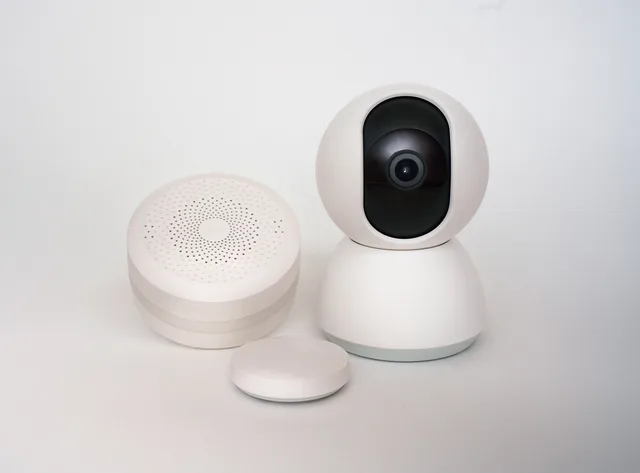
Households that regret a material choice often reach for an air-cleaning device instead of addressing the material or the ventilation. Some of those devices intentionally produce ozone.
EPA's fact sheet on ozone-generating air cleaners is direct about the problem: ozone is a lung irritant, and at concentrations that do not exceed public health standards these devices are ineffective at removing indoor air contaminants. Source control and ventilation remain the answer, with filtration for particles.
The selection errors that lead here are collected in our guide to avoiding material selection mistakes, and the survey habit that catches upkeep problems early is set out in the year two maintenance plan.