Features
Part of Sustainable materials quotes: how to make them comparable
Freeze-thaw, vapor drive, thermal movement and salt: four ways sustainable materials fail
Four climate mechanisms, freeze-thaw, vapor drive, thermal movement and salt, and why porosity and a drying path decide which sustainable materials survive.
What to take away
- Four mechanisms explain most climate-driven material failurefreeze-thaw, vapor drive, thermal movement and salt.
- Materials do not fail because a region is cold or hot. They fail because a mechanism found a weakness.
- Porosity is the single property that predicts most of it, and suppliers can usually state it.
- Design for drying. Any assembly that gets wet must have a route to get dry again.
Mechanism one: freeze-thaw
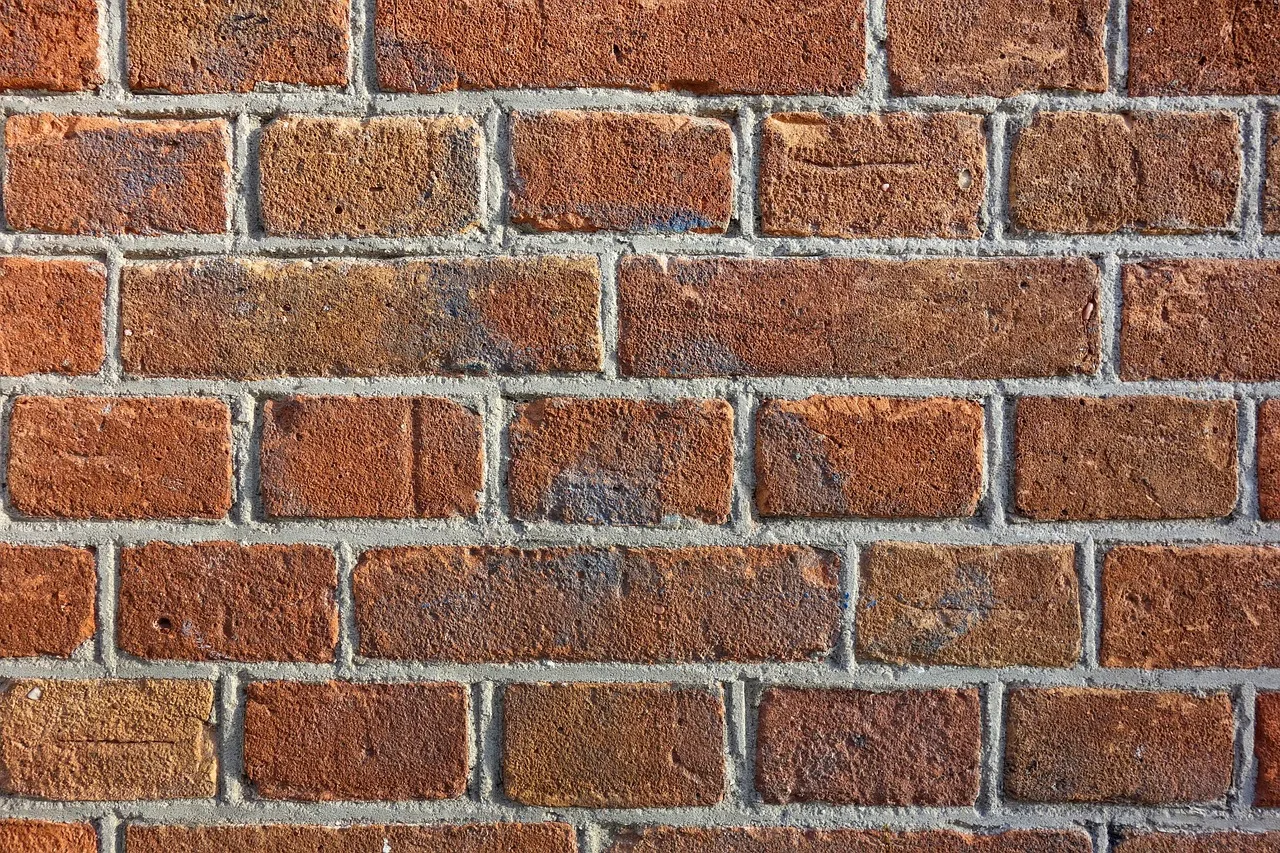
Water that enters a porous material and then freezes expands, and the pressure breaks the material apart from inside. That is why brick, stone, terracotta and cementitious products spall in cold climates and survive indefinitely in warm ones.
Two properties decide the outcome: how much water the material absorbs, and how quickly it releases it. Ask a supplier for the absorption figure and whether the product is rated for freeze-thaw exposure. Then keep water off horizontal surfaces, because horizontal is where absorption happens.
Mechanism two: vapor drive
Water vapor moves from warm and humid toward cool and dry. In a northern winter that is outward through the wall. In a southern summer, with air conditioning running, it is inward. Assemblies that work in one direction can trap moisture in the other, and that is why the same wall build fails in Houston and performs in Minneapolis.
The National Weather Service explanation of how water vapor behaves in the atmosphere covers the underlying physics: evaporation, condensation and the conditions under which vapor turns back into liquid. The building version is short. Put the vapor-tight layer on the side the vapor comes from, and let the other side dry.
Mechanism three: thermal movement
Every material expands when heated and contracts when cooled, at rates that differ substantially between metal, stone, wood and plastic. Where two materials with different rates are fixed rigidly together, one of them loses. Failures show as cracked grout at a metal threshold, split trim against masonry, and buckled floors with no expansion gap.
The response is joints. Expansion gaps at perimeters, movement joints in large tiled areas, and slotted fixings where metal meets anything else. These are not optional details in climates with large daily or seasonal temperature swings.
Mechanism four: salt
| Salt source | Where it appears | Material response |
|---|---|---|
| Coastal aerosol | Within a few miles of the shore | Corrosion-resistant fixings, rinse exposed surfaces |
| De-icing salt | Entries, garages, thresholds | Sealed and rinsable surfaces at entries |
| Groundwater salts | Rising damp in masonry | Breathable finishes, no trapped renders |
Salt damages by crystallizing inside pores, which is mechanically similar to freezing. It also drives corrosion of embedded metal. Both effects concentrate where wetting and drying alternate, which is why entries and splash zones fail first.
Read the trend, not just the average
Climate normals shift, and material decisions made for a fifty-year building should account for that. NOAA's education collection on what climate is and how it is measured is a reasonable starting point for understanding the difference between weather, climate and a changing baseline.
Make two adjustments. For drainage and splash zones, assume rainfall events more intense than the historical record. When deciding which way an assembly needs to dry, assume longer cooling seasons.
Feed the result into the cost work in our approach to material budgeting, since climate-appropriate detailing is a line item. Check the survey habits in the year two maintenance plan against the mechanisms above.