Reviews
Part of Sustainable materials quotes: how to make them comparable
Sustainable materials products worth testing, reviewed against real use
Sustainable materials worth testing, named by brand, with the document that backs each claim and the check that catches a stale certificate.
What to take away
- These sustainable materials products are worth testing because their paperwork is public: Amorim Wise cork, Biofib Trio hemp batts, Biohm mycelium panels, TimberHP wood fiber batts, and PureBond panels from Columbia Forest Products.
- Ask for the certificate, not the brochure. It must name the product, the standard, the issuing body and a date.
- Composite wood certifiers are listed by EPA, so a supplier's claim can be matched against a published register.
- A certificate for a panel core says nothing about the laminate or the adhesive.
- Save a dated copy of every document. Web pages move; a saved file does not.
Cork: Amorim Wise and the underlayment question
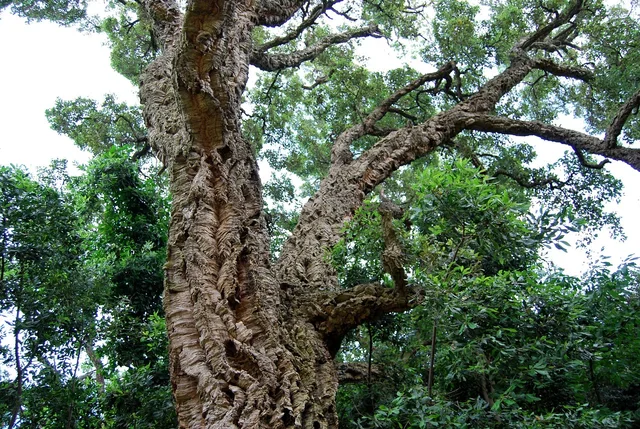
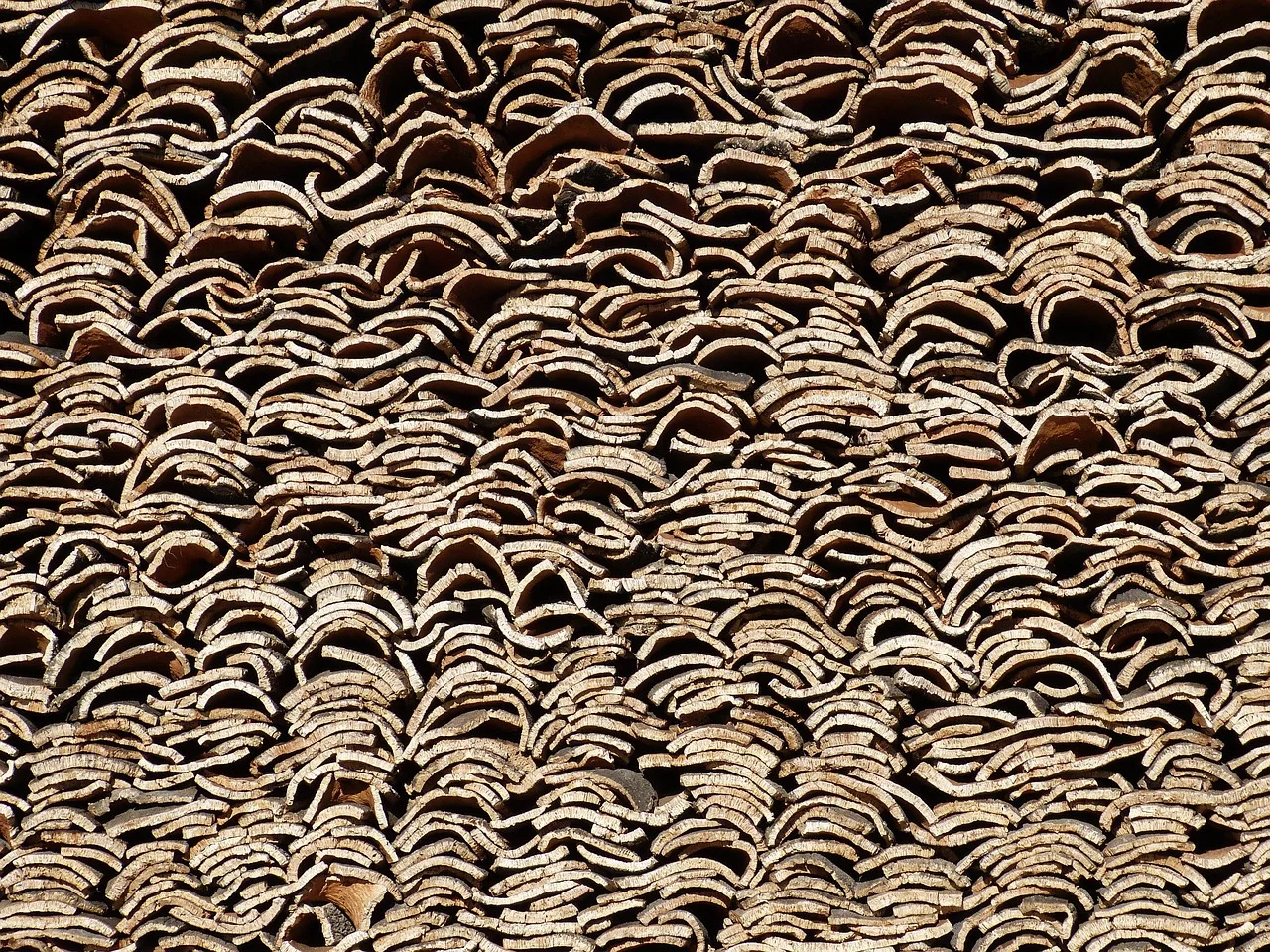
Amorim, the Portuguese cork producer, sells flooring under the Amorim Wise brand and cork underlayment through its Acousticork line. It publishes technical data sheets with impact sound reduction figures for each underlayment. That number is what a US condo board will ask for. Boards govern impact noise between units, not the cork content of your floor.
Ask for the sound test report, not the marketing sheet. The report names the assembly tested, and cork under a different subfloor tests differently. Cork suits bedrooms and upper floors in wood-frame buildings. It is a poor fit for basements and bathrooms, where standing water defeats it.
For the arithmetic: required impact rating minus your existing assembly's rating gives the reduction you still need. If the gap is larger than the underlayment's published figure, cork alone will not close it.
Hemp and mycelium insulation: Biofib Trio and Biohm
Biofib Trio is a French hemp-lime and hemp-fiber batt from Cavac, the hemp cooperative. It publishes thermal conductivity, so R-value per inch can be calculated rather than assumed. Hemp batts typically sit between 0.038 and 0.040 W/mK, close to mineral wool. Hemp suits walls where you want vapor-open construction. It also takes a thicker build-up than mineral wool.
Biohm, a UK company, grows mycelium insulation panels and publishes thermal and fire performance data. Mycelium suits interior retrofits and low-rise work where a panel can be cut on site. It is not a substitute for rigid foam below grade, and no manufacturer's sheet should be read as approval for one.
Ecovative, in Green Island, New York, grows MycoComposite, the mycelium base behind several molded packaging lines. Packaging data is a starting point for a panel test, not a wall specification.
Both Biofib Trio and Biohm panels are worth testing in a small area first. Order one panel, install it, and check it after a heating season before committing a wall.
Panels and formaldehyde: PureBond, Plyboo and the certifier check
Columbia Forest Products makes PureBond, a plywood and panel line bonded with a soy-based adhesive and sold as no-added-formaldehyde. Smith & Fong's Plyboo bamboo plywood is FSC-certified and also offered as NAUF. Both still need the certifier named before the claim means anything.
Composite wood is the clearest case in the whole category, because the certification structure is public. EPA publishes the recognized third-party certifiers under the composite wood products rule. If a supplier names a certifier, that name should appear on that list.
CARB Phase 2 and TSCA Title VI set the emission limits a panel must meet. A panel that meets them is not thereby safe in every room, and a panel that claims compliance without a certifier named is a claim you cannot check. Ask which certifier, then look it up.
Medite Tricoya is an acetylated MDF sold for exterior and wet-area work. Accsys Technologies makes Accoya, an acetylated solid wood with a published 50-year warranty above ground. Acetylation is the treatment. The warranty document is what you read.
Wool and wood fiber: Havelock Wool, Thermafleece and TimberHP
Havelock Wool, in Reno, Nevada, makes sheep wool batts for walls and ceilings. Wool typically lands between R-3.6 and R-3.9 per inch, so a 2x6 cavity reaches roughly R-20 without a foam layer. Thermafleece, a UK wool line from Eden Renewable Innovations, publishes density and thermal data for each product.
TimberHP, in Madison, Maine, presses wood fiber batts from Maine softwood and also sells loose fill and rigid boards. Its batts are typically rated near R-3.6 per inch. Steico of Germany publishes EPDs for its Flex wood fiber batts.
Wool and wood fiber both want a vapor-open assembly and careful air sealing. Ask for the EPD or the technical data sheet before you compare price per unit of R.
Finishes, oils and cleaners: Rubio Monocoat, Osmo and Safer Choice
EPA's published Safer Choice standard and criteria sets out what a product must meet to carry the label, including ingredient criteria and performance requirements. Reading the standard once tells you what the label covers, which is more useful than any single product page.
For finishes, hardwax oils from Rubio Monocoat and Osmo print volatile organic compound content on their technical data sheets. Look for a published EPD as well, and read the declared unit, not the headline number. An industry-average EPD describes a sector, not the drum in front of you. A product-specific EPD names the plant.
A verification routine that takes an hour
| Step | Ask for | Reject if |
|---|---|---|
| Identify | Exact product code and variant | The supplier only names a range |
| Certificate | Standard, body, date, scope | Any of those four are missing |
| Match | Certifier appears on the published list | The name cannot be found |
| Currency | Covers current production | Certificate predates a reformulation |
| Adjacent products | Documents for adhesive and finish too | Only the visible layer is documented |
| Performance | Test method and assembly behind the rating | A number with no test report |
| Record | Save a dated copy | The document only exists as a webpage |
When there is no document
Salvage, small workshops and imported specialty products often arrive with no paperwork. That is not automatically disqualifying, but it changes what you may claim.
Narrow the claim to what you know. "Reclaimed oak from a local barn, source known, painted material excluded" is honest. "Certified sustainable" is not, unless a certificate says so.
Reclaimed flooring suppliers such as TerraMai and Pioneer Millworks name the species and the source building on each listing. That provenance is not a certificate, but it is a claim you can inspect.
Feed testing and documentation costs into the unit-rate structure in our guide to material budgeting. Unverified material also shows up in the patterns collected in five lessons from material projects.
Common questions
Is a certificate proof the material is safe?
It is proof the product met a defined standard under defined conditions. Installation, ventilation and the products around it still matter. For health questions, ask a physician or an industrial hygienist.
Can I trust a supplier's own declaration?
As a starting point, if it is specific and signed. Treat unsupported general claims with far less weight. Recycled content and carbon figures usually rest on declarations with no registry behind them.
What if a certificate is in another language?
Ask for a translation and the certifier's name. The certifier is checkable regardless of language. If the name cannot be found on a published list, the document is not doing the work you need.
Do I need documents for every product?
For anything covering a large area or sitting in a bedroom, yes. For a small trim run, judgment applies. Structural, fire-rated and electrical work goes to a licensed engineer or code official regardless.